
Blepharitis
Blepharitis is a common eye condition caused by inflammation of the eyelids. It typically affects both eyes at the same time and can lead to redness, swelling, itching, and irritation around the eyes.
While Blepharitis is not usually vision-threatening or contagious, it can become more uncomfortable over time and may lead to infection if left untreated. Although there is no single cure, several effective treatments can help manage symptoms and improve eye comfort.
Symptoms of Blepharitis
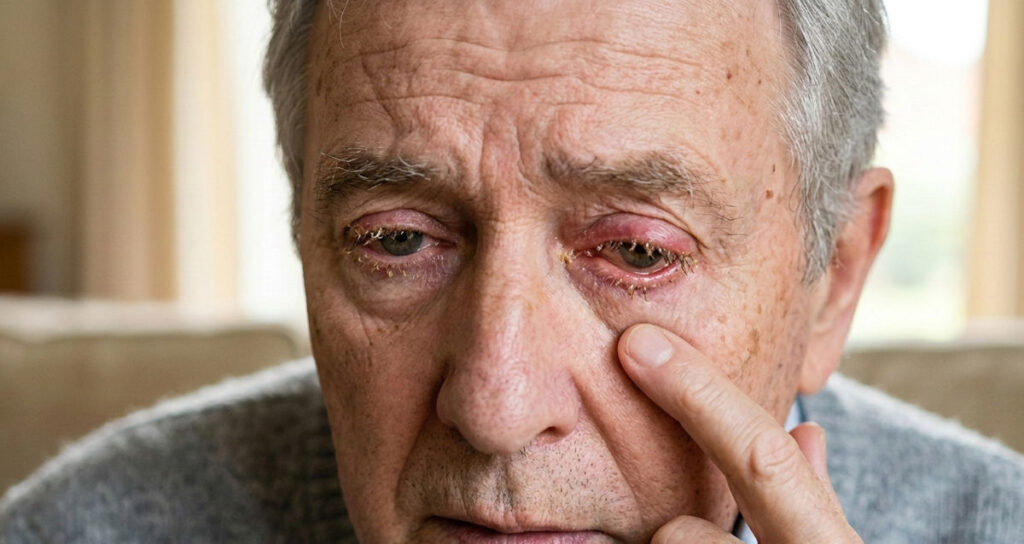
Blepharitis symptoms can range from mild irritation to ongoing discomfort.
Common signs include:
- Puffy or swollen eyelids
- Redness or discolouration around the eyelids
- Greasy looking eyelids
- Crusted eyelashes, especially in the morning
- Itchy or irritated eyes
- Watery eyes
- Dry eyes
- Burning or stinging sensations
- Red eyes
- Sensitivity to light
- Loss of eyelashes
- Eyelashes growing toward the eye
- Blurred vision
If you are experiencing these symptoms, booking an eye exam with an optometrist in Victoria can help identify the cause and provide relief.
What Causes Blepharitis?
Blepharitis develops when the eyelids become inflamed, often due to bacteria, clogged oil glands, or underlying skin conditions.
One of the most common causes is an overgrowth of bacteria along the eyelids and eyelashes. When bacteria build up or enter the eye, irritation and inflammation can occur.
Blepharitis is also commonly linked to problems with the meibomian glands, which produce the oily layer of your tears. When these glands become blocked, the eyes can become irritated and inflamed.
Other contributing factors may include:
- Poor eyelid hygiene
- Oily skin
- Wearing contact lenses
- Incomplete makeup removal
- Dry eye syndrome
- Rosacea or dandruff
- Exposure to dusty or dirty environments
- Spending long periods in air-conditioned spaces
Types of Blepharitis
There are two common types of Blepharitis:
- Anterior Blepharitis – Affects the outer front edge of the eyelid where the eyelashes grow.
- Posterior Blepharitis – Occurs along the inner eyelid where the meibomian oil glands are located.
Blepharitis Treatment Options
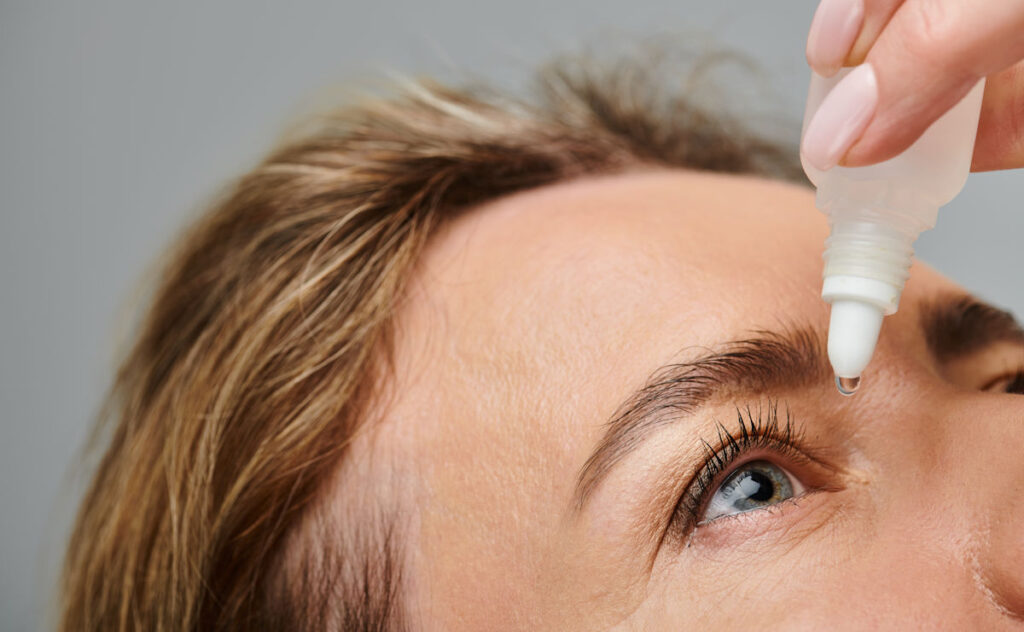
There is no one-size-fits-all treatment for Blepharitis, but several options can help reduce inflammation, manage bacteria, and improve comfort.
- Antibiotics. Your optometrist may recommend antibiotic ointments or drops such as erythromycin, bacitracin ophthalmic ointment, or Polysporin® to help control bacteria and reduce irritation.
- Anti-inflammatories. Steroid eye drops or topical anti-inflammatory medications may be prescribed to reduce swelling and inflammation.
- Warm compress. Applying a warm, damp washcloth over the eyes for short intervals can help loosen debris and unclog the oil glands in the eyelids.
- Good hygiene. Keeping the eyelids, skin, and scalp clean is one of the most effective ways to manage and prevent flare-ups.
- Omega-3s. Omega-3 fatty acids, commonly found in fish oil, may help support healthy tear production and improve meibomian gland function.
- In-Clinical treatments. For chronic or recurring Blepharitis, your optometrist may recommend professional treatments like BlephEx® to help clean and restore the eyelids and oil glands.
- Intense Pulsed Light (IPL). IPL is a non-invasive therapy that flashes polychromatic light towards the skin around the eyelids. The light energy targets the blood vessels and root cause of inflammation.
Watch how Lumecca IPL treatment can revitalize dry eyes and meibomian glands:
Let us help you
Schedule your eye care appointment today and experience the difference of personalized, comprehensive eye care.