
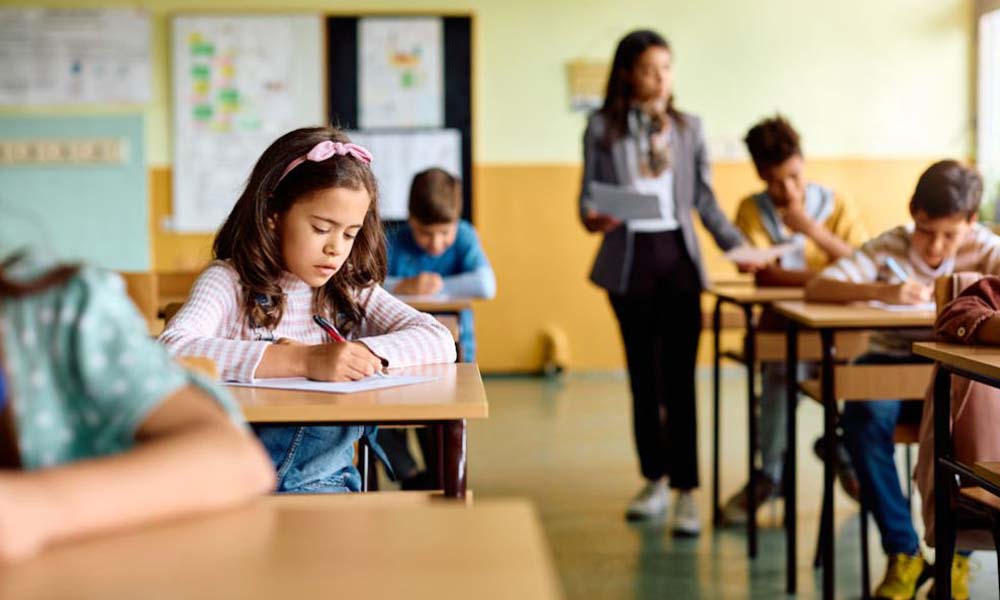
If you’re noticing that more kids are wearing glasses these days versus the days of your youth, you aren’t mistaken. Roughly 25% of Canadian kids have myopia, which is having an impact on their ability to learn at school, participate in hobbies and play sports.
While myopia is a relatively simple refractive error that can be corrected by an optometrist, there are a number of behaviours and practices to encourage as a parent that could help your child slow their progression of myopia or avoid it altogether.
This article details why kids are prone to myopia more than adults, and how you can help your child slow its progression:
What is Myopia (Nearsightedness)?
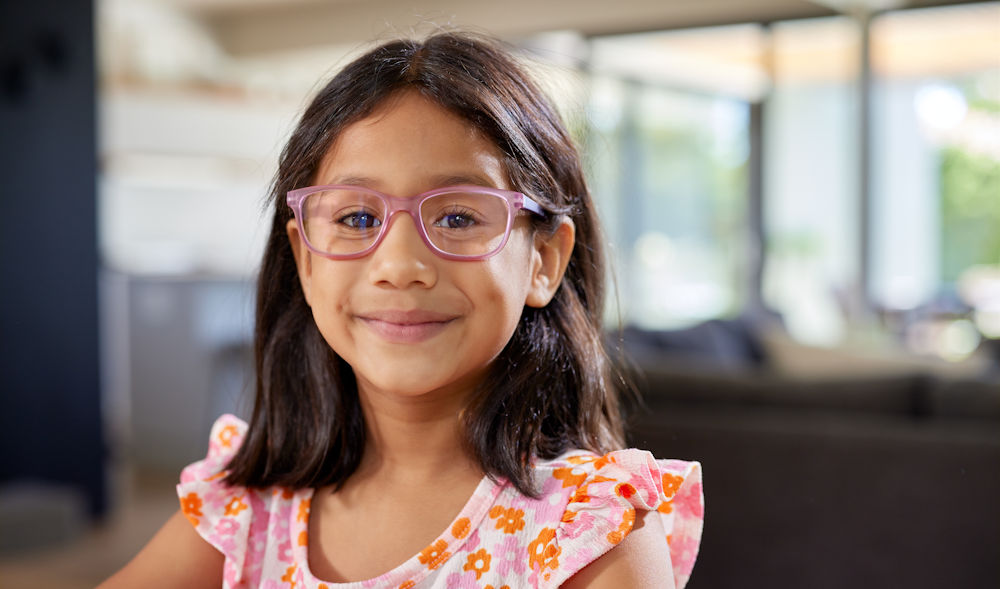
Myopia is the medical term used to describe nearsightedness. That means objects up close appear clearly, but grow blurry at a distance. For a child, nearsightedness can be problematic if they cannot see the whiteboard in the classroom or cannot see the dodgeball flying towards their periphery out in the schoolyard. If they grow older with unchecked myopia, daily activities like driving a car become challenging in the least.
The difficulty with myopia is that there are no observable symptoms. And if the whiteboard is getting blurry at school, your child might be slow to speak up about it. If you notice your child squinting to see or complaining about headaches, they could be battling through some level of myopia.
Why More Kids Developing Myopia?
There are a number of reasons why kids suffer from myopia at a greater rate. First, there is the genetic predisposition – if both parents have it, the child will most likely have it as well.
Then there’s the fact that children grow like weeds. Their eyes are no exception. And if all that growth between the body and the organs isn’t synced up, it could create a challenge. When the axial length of the eye grows too long, or the cornea grows with too great a curve, the child will experience blurry vision at a distance.
Finally, there’s the reality of daily life for children in 2026. Kids are engaged in more “near work” activities these days, particularly when it comes to their engagement with small screens like smartphones and tablets. Combined with their use of books and other up-close learning materials at school, their eyes are being strained at near distances more often. At a young age, all of this close-up work can force structural changes in the eye as it attempts to adjust.
How Parents Can Help Slow Myopia Progression
As a parent, you have the ability to influence the activities of your child once they’re home from school. What you prioritize during that precious time could either worsen or slow the progression of myopia. Here are a few things to consider for myopia control:
Outdoor Time and Myopia Prevention
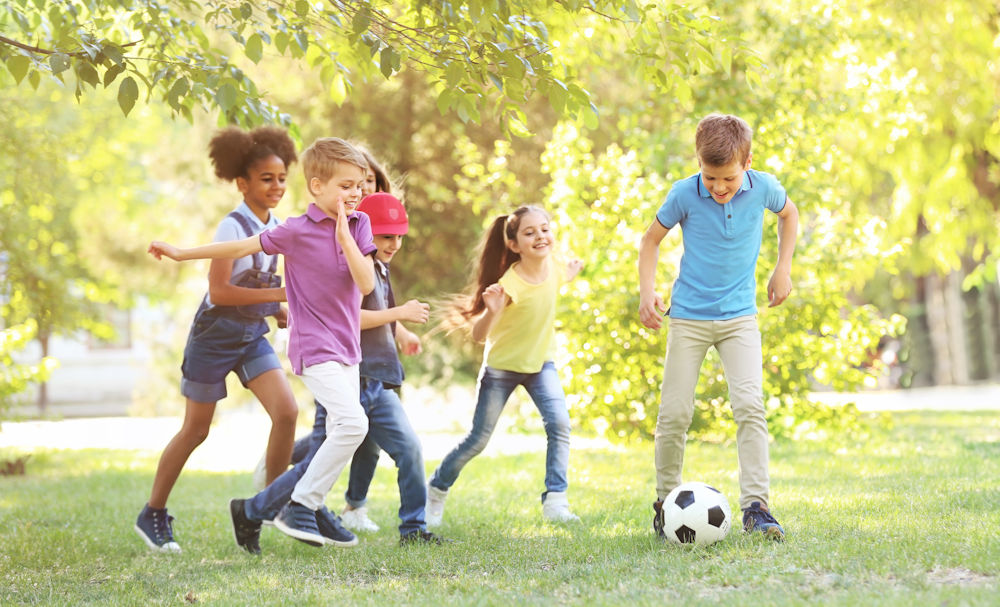
As much as possible, kids benefit enormously from time outdoors. Socializing with others, being in nature, and soaking in the sunlight is healthy for everyone, but particularly kids. For every hour they spend outdoors, that’s one less hour spent with screens. Instead, they’ll be engaging in farsighted activities and stimulating natural dopamine responses, which is ideal after a day of mostly close-up learning at school.
Spending time out in natural light and under the sun is also vital for healthy eye development in kids. Sunlight has been proven to slow the eye’s elongation, which is a primary cause of myopia as mentioned above. The sun helps development progress naturally with the help of vitamin D – just make sure they’re protected from UV with hats and sunglasses!
Screentime and Myopia in Kids
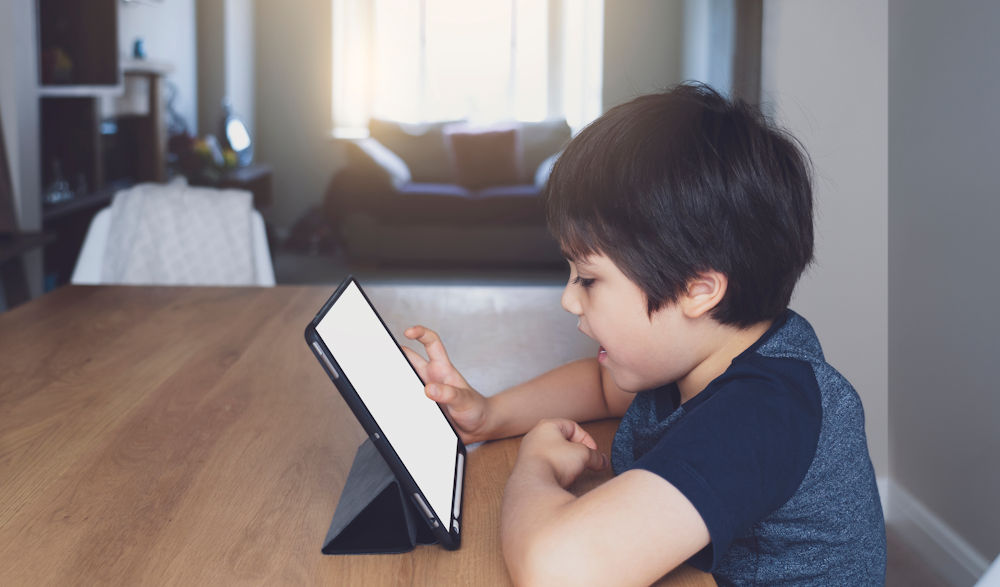
The verdict on screens is straightforward – especially for kids. Limit their use of small screens as much as possible, if not for other health reasons, for the sake of their eye development. Small screen use is one of the worst activities for young eyes, so avoiding as much as possible is the best course of action.
Proper Lighting & Reading Distance for Healthy Eyes
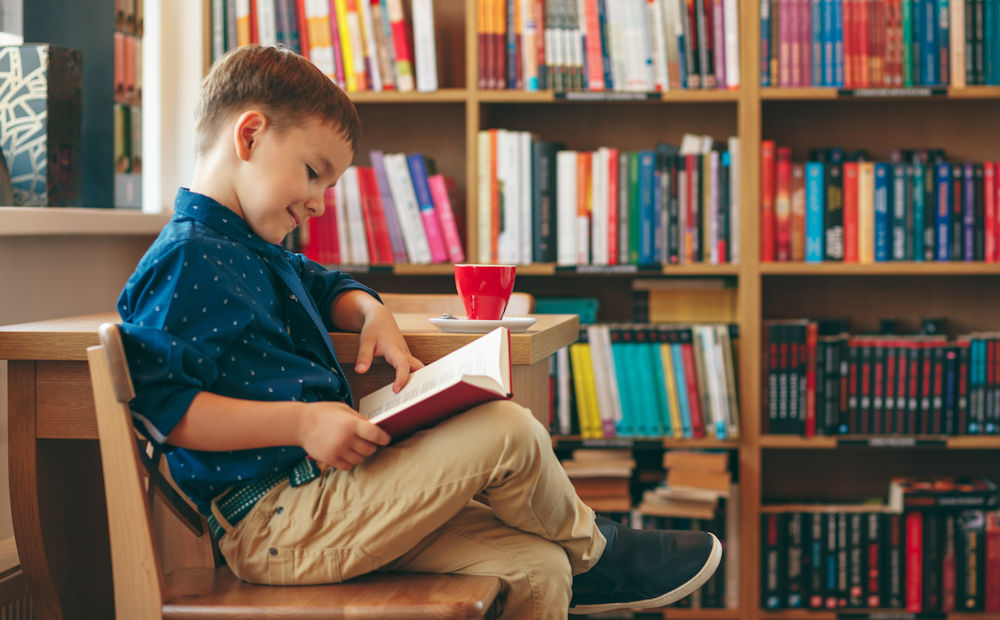
Lighting is another factor that can contribute to healthy eye development in kids. When your child is reading a book or working on homework, ensure they have a well-lit area, which will prevent their eyes from overworking.
The distance at which you perform close-up tasks with your eyes could have an impact on myopia progression as well. That’s why it’s best to encourage a healthy distance between your kids’ eyes and a device or book. About 14 in or 35 cm is a healthy distance that eases the workload of the eyes.
Nutrition and Eye Health in Children

We already know that a nutrient-dense diet is crucial for a healthy body and mind, including healthy eye development. But it’s possible that the foods we eat can have an impact on myopia as well. A study from South Korea found that high sodium intake was associated with a significant increase in the risk of myopia. Kids with myopia also ate less omega-3 fatty acids than other kids.
Diet and lifestyle choices will absolutely have an impact on eye development and eye health – particularly among children. Read this blog post to discover the best natural foods that promote eye health.
Why Regular Eye Exams Matter for Myopia Control
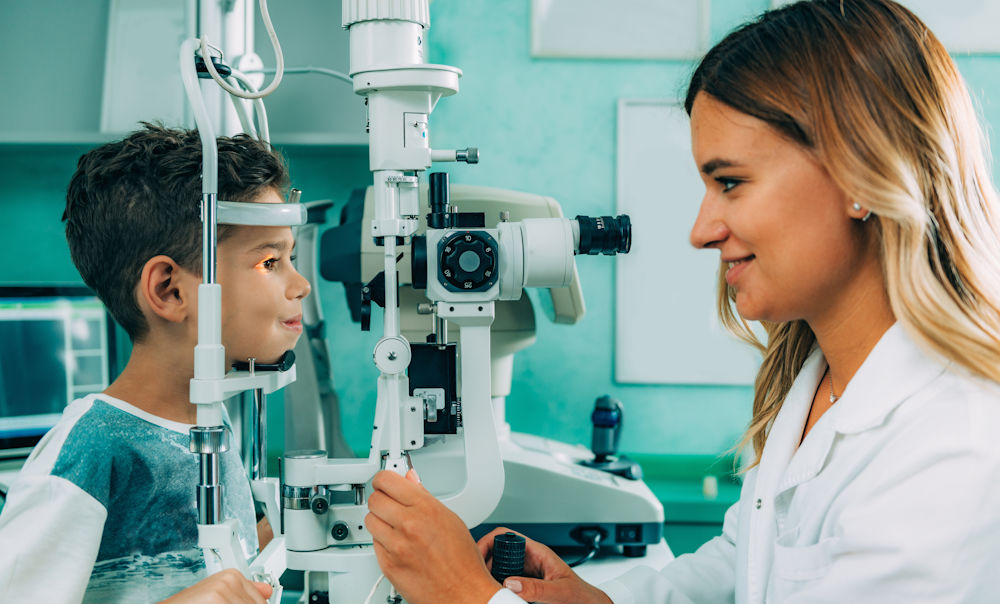
As a parent, your best defence against the progression of myopia in your children is being diligent about regular trips to the optometrist. As we know with kids, they won’t always be quick to speak up if the whiteboard at school is getting blurry or their eyes are experiencing fatigue. But an eye doctor will be able to tell right away and provide the treatment your kid needs.
Frequently Asked Questions About Myopia in Children
-
Myopia often begins in early childhood, typically between ages 6 and 12, and can progress through the teenage years.
-
Myopia can’t usually be reversed, but its progression can be slowed with strategies like outdoor time, proper lighting, healthy habits, and regular eye exams.
-
Studies suggest that at least 2 hours per day of outdoor activity can help reduce the risk or slow the progression of myopia in children.
A routine eye exam once per year is completely covered for every child aged 0-18 in BC via our Medical Services Plan (MSP). Plus, it doesn’t hurt to make more frequent trips to the eye doctor with your kids, especially if they report issues with their vision. Book an appointment at Inner Harbour Optometry today.