

The severity of eye infections can range from annoying and painful to vision-threatening. An infection of the eye begins like any other infection – with microorganisms such as bacteria, viruses, fungi or parasites. And given the nature of these microorganisms, most eye infections are contagious.
This article explores some of the most common contagious eye infections, plus the signs of infection and what to do if symptoms appear. If you are experiencing symptoms, scheduling an eye exam with a Victoria optometrist is the best way to protect your vision.
Common Contagious Eye Infections
Pink Eye (Conjunctivitis)

Conjunctivitis, also known as “pink eye”, is one of the most common eye infections that the public is well aware of thanks to social stigmas, myths, social media and pop culture.
This contagious infection causes redness in the eye plus itchiness, swollen eyelids, light sensitivity and a gritty sensation. In rare cases, what appears to be pink may actually be an allergic reaction or another viral illness like bird flu or measles. Most frequently, however, pink eye is caused by a virus or bacteria and can be highly contagious.
- Viral pink eye is caused by coming into contact with the host. This type of conjunctivitis is highly contagious and more common, with the red appearance and itchy, watery eye symptoms.
- Bacterial pink eye is caused by bacteria. This version of conjunctivitis produces a sticky yellowy or green discharge and is passed through direct contact.
Learn more about conjunctivitis (pink eye) symptoms and treatment in our blog post that takes a deep dive into the infection: Pink Eye
Corneal Ulcer (Keratitis)

Keratitis, or a corneal ulcer, is a condition of the cornea – the clear, curved surface at the front of the eye that covers the iris and pupil. The cornea is susceptible to infections, particularly among those who wear contact lenses. Improper contact lens hygiene presents a high risk for bacterial infection.
Keratitis is known to cause redness, pain in the eye, sensitivity to light and excessive watering, but it often starts with a visible white spot on the cornea. If you notice these symptoms – particularly the white spot in your eye, call your optometrist and schedule an eye exam in Victoria right away.
Corneal ulcers can occur a number of ways, including from injury or certain autoimmune diseases. However, contagious cases are typically caused by bacteria, viruses and fungi.
- Bacterial keratitis is especially dangerous, with the ability to cause blindness if left without treatment. If you wear contacts, you may also notice sudden eye pain or discharge.
- Viral keratitis is caused by contagious viruses like cold sores or sexually transmitted infections. Herpes keratitis is a common viral strain with no cure, but is contained with medication.
- Fungal keratitis can also be vision-threatening for contact wearers. Fungus lives in the water and the fauna – particularly in warmer climates, which is usually where fungal keratitis is contracted.
Shingles of the Eye

Shingles of the eye, known officially as herpes zoster ophthalmicus, is a viral infection causing a painful rash on the forehead or eyelid plus redness, pain, blurry vision and sensitivity to light. This infection is caused by a reactivation of the chickenpox virus, a common disease in children that is prevented by vaccine.
Shingles has the potential to be very serious. If left untreated, you could end up with vision loss, permanent corneal scarring, chronic pain, or even glaucoma. That’s why if you notice shingles on your face or forehead, it’s important you get to an optometrist or doctor immediately within a couple of days. From there, the infection can be managed and will run its course over the course of a couple of weeks.
Trachoma
Trachoma is a contagious bacterial eye infection that’s caused by chlamydia trachomatis, an anaerobic bacterium responsible for the sexually transmitted infection chlamydia. This infection is most commonly passed by skin-to-skin contact, but it can also be transmitted on non-living items and via eye-seeking flies. Poor sanitation and hygiene, crowded living conditions, unclean water and poverty are the unfortunate risk factors of this infection.
With trachoma, the first symptoms you’ll likely notice include mild itchiness, irritation and discharge. Over time, these symptoms may advance to cause pain in the eye plus blurred vision and trichiasis, where the eyelid turns inward.
If left untreated, the symptoms of this infection can lead to blindness in adults and permanent scarring. But the infection also affects children as well, commonly spreading it to family members.
Cellulitis

Cellulitis is a bacterial or fungal infection that comes about from insect bites, skin wounds and bacteria from nearby infections like a sinus infection. The infection can be controlled, but it requires immediate attention due to its infectious nature and ability to threaten vision.
There are two common types of cellulitis that are known to affect the human eye:
- Preseptal (periorbital) cellulitis is a version of the infection that often affects children. Periorbital alludes to around the eye rather than inside. That means someone with this infection will notice the infection on the skin and tissue around the eye.
- Orbital cellulitis is more serious. This version of the infection requires immediate action and treatment, as the eyelid and eye socket are both targeted, threatening extreme swelling.
Endophthalmitis
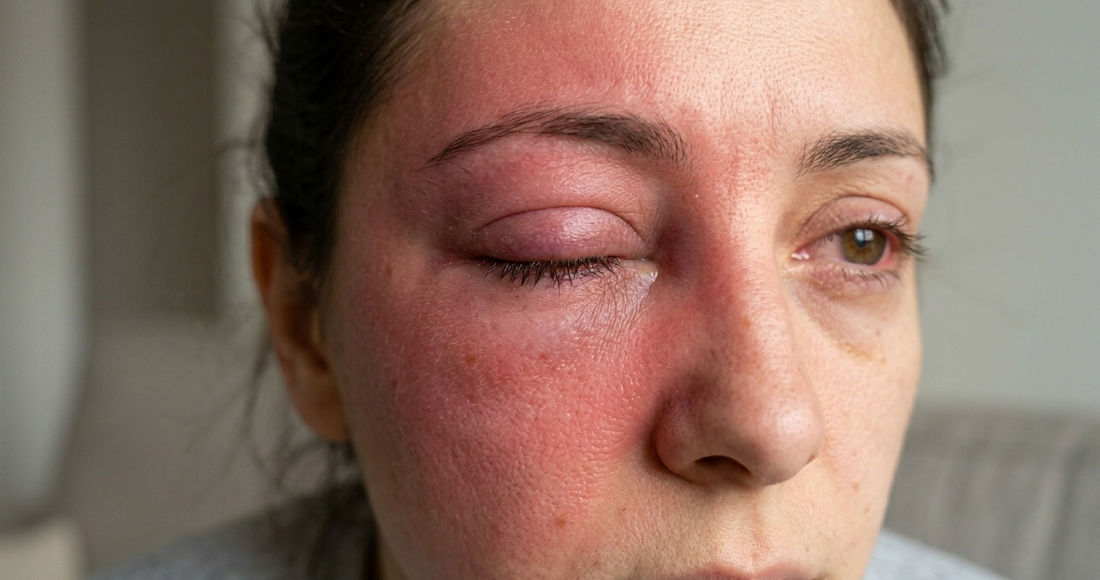
Endophthalmitis is a severe infection that causes vision-threatening inflammation inside the eye. The infection targets the fluids of the eye, like the vitreous and aqueous humor.
Endophthalmitis can be quite painful. It can cause rapid vision loss, swelling and redness, requiring immediate medical attention and treatment with antibiotics. If left untreated, this infection could cause irreversible vision loss.
This infection most commonly occurs after eye surgery, such as cataract surgery. The infection can also spread to the eye endogenously (through the blood).
Frequently Asked Questions About Eye Infections
-
Many eye infections are contagious, particularly those caused by viruses or bacteria such as conjunctivitis (pink eye). If your eye infection includes symptoms like redness, discharge, itching, or crusting around the eyelids, it may be contagious. Practicing good hygiene, avoiding touching your eyes, and washing your hands frequently can help prevent spreading the infection to others.
-
You should see an optometrist if you experience symptoms such as persistent redness, eye pain, discharge, light sensitivity, blurry vision, or swelling around the eye. If symptoms appear suddenly or worsen quickly, it’s important to schedule an eye exam as soon as possible to determine the cause and begin appropriate treatment.
-
Some mild viral eye infections may clear up on their own within several days. However, bacterial and more serious infections often require treatment with prescription medication. Because certain infections can threaten your vision if left untreated, it’s best to have any suspected eye infection evaluated by an optometrist.
-
Good hygiene is the best way to prevent contagious eye infections. Wash your hands frequently, avoid touching or rubbing your eyes, and do not share items like towels, makeup, or contact lenses. If you wear contacts, follow proper cleaning and replacement guidelines to reduce the risk of infection.
What to Do With an Infection

Infections in and around the eye should be treated with serious care. Your vision is at stake, along with other permanent damage. If you think you’re suffering from the beginning of an eye infection or are noticing any strange symptoms, the best thing to do is call your optometrist right away.
Your optometrist will be able to identify and diagnose a range of eye conditions and diseases with a standard eye exam. They can analyze your symptoms and health of your eyes before referring you for more imaging, tests and medical attention.
Book an eye exam at Inner Harbour Optometry at our two Victoria locations.