

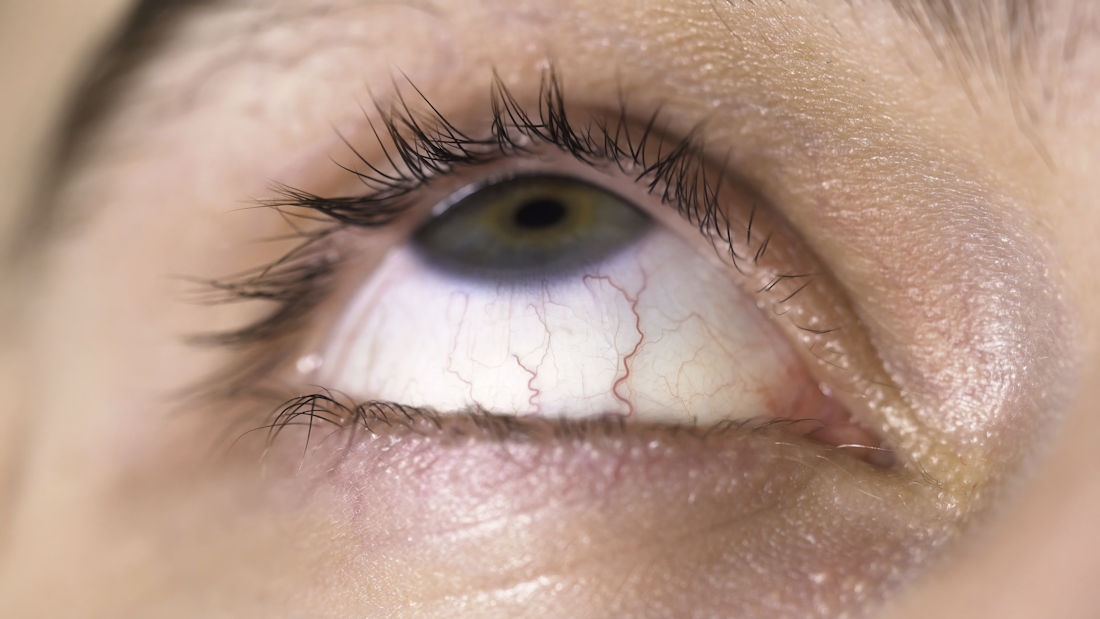
Dry eye is a very common condition that occurs when our eyes fail to produce enough tears or when tears evaporate before they’re able to do their job. We rely on tears for both clearing debris and keeping the eyes moist. So when the tears have vacated, we’re left with an uncomfortable stinging or gritty sensation known as dry eye.
Causes of Dry Eye
An estimated 30% of Canadians are living with dry eye, but the causes could vary from person to person. For some, the physical environment is enough to dry up their eyes – for example, super dry, windy air, smoke or air conditioning. For others, dry eye is just part of growing older, and comes hand in hand with diabetes, allergies, hormonal changes or the natural aging process. But one of the most common culprits of dry eye is digital eye strain, which happens from prolonged exposure to screens.
Tips for Managing Dry Eye Symptoms
There are a number of things you can do to ease the discomfort of dry eye in your everyday life. Let’s take a look:
Changing Contacts

If you wear contact lenses, the method in which you change and wear your contacts could contribute to worsened dry eye symptoms.
To start, try opting for lenses that are designed for moisture like silicone hydrogel or daily disposables. The buildup of deposits on your contacts caused by lack of hygiene will only make things worse, so swapping your contacts regularly and sticking to a strict cleaning schedule is your best bet.
When you do change your contacts, don’t force the issue if it’s feeling stuck. Instead, use preservative-free artificial tears to re-lubricate the area before safely removing.
Improve Your Diet

If you suffer from dry eye syndrome, you might be surprised to learn that your diet could be having a big impact on your symptoms. Add dry eye to the never-ending list of conditions that can be aided by proper diet choices.
The first thing you’ll want to do is avoid ultra-processed foods and sugar, which will only increase inflammation throughout the body – including your eyes.
There are a number of nutrients to lean into as well in order to curb dry eye symptoms:
- Omega-3 Fatty Acids are known to aid inflammation while improving the oily layer of tears, and are abundant in fatty fish, seeds, eggs and yogurt.
- Vitamin A is another weapon to wield against dry eye, which can be found in animal protein, dark leafy greens, and veggies that are yellow or orange.
- To protect the cells in your eyes, try upping your dose of Antioxidants like Vitamin C, Vitamin E, Lutein and Zeaxanthin.
- Finally, get some zinc in your system to help your liver out, from either animal protein, legumes, vegetables or whole grains.
Managing Dry Eye on a Long Flight

Airplanes are notorious for making dry eye symptoms worse, due to the extremely low humidity in the air of the cabin.
The best thing you can do is avoid the air vents pumping out air at all costs. Make sure the ones near you are dialed down or directed away, and consider bringing a sleep mask to shield your eyes. If you’re relying on entertainment to get you through a long flight, be extra vigilant about blinking frequently and drinking plenty of water both before and throughout the flight.
To aid your symptoms during the flight, consider picking up some soothing eye balm that can guard against moisture loss. Just make sure it’s packed in your carry-on!
Changing Seasons & Seasonal Dry Eye

Some people with dry eye notice their symptoms worsen when the seasons change. Winter brings cold, dry air transported by stronger winds, while spring is the season of airborne pollen and dust.
To combat the spread of airborne toxins inside your home, consider picking up a humidifier or two and placing them throughout your home – but especially where you sleep. The humidifier will also help soothe the otherwise dry air caused by having your windows shut during the colder months.
When heading outdoors, it’s always a good idea to use eye protection to keep pollen and other airborne toxins at bay. As an added bonus, eyewear with built-in UV protection is a practice everyone should be participating in to guard against the sun’s harmful rays.
Avoid Irritants

If you suffer from a bad case of dry eye, there are certain situations and irritants you should try to avoid as much as possible.
One of the worst irritant of them all is cigarette smoke. Smokers suffer from dry eye at a higher rate, because the constant smoke will irritate the eye’s surface while disrupting the production of protective tear film and causing inflammation.
Screens are another big one. For many of us, screens are part of everyday life and work. If you rely on screens on a daily basis, be sure to follow the 20-20-20 rule by taking 20-second breaks every 20 minutes to look 20 feet away.
You may also want to be wary of certain medications. Antihistamines, decongestants, diuretics, beta-blockers, antidepressants and more are known to worsen dry eye syndrome. If you’re worried or are noticing worsening symptoms, be sure to consult with your doctor and optometrist.
Professional Dry Eye Treatments Options
Dry Eye Frequently Asked Questions
Here are answers to some common questions about dry eyes.
-
Causes range from aging, hormonal changes, certain environments (dry air, wind), prolonged screen use, smoke exposure, medications and conditions like allergies or diabetes.
-
Mild dry eye symptoms may improve if triggers are removed and self-care practices are used, but chronic dry eye generally needs ongoing management.
-
Some people find that omega-3 fatty acids, vitamin A, and antioxidants support healthier tears and may reduce inflammation.
-
If symptoms are persistent, worsening, or interfering with daily life or OTC treatments aren’t helping, then you should book an appointment with your optometrist.
-
If left untreated, severe dry eye can lead to inflammation or damage to the eye surface, making it important to monitor symptoms and seek care.
-
Airplane cabins have very low humidity, which can cause tears to evaporate faster and lead to dry, irritated eyes during a flight. Wearing contact lenses, staring at screens, and reduced blinking can make airplane dry eye symptoms worse. To prevent dry eyes when flying, use preservative-free lubricating eye drops, drink plenty of water, avoid alcohol and caffeine, blink often, and consider wearing glasses instead of contacts on long flights. A sleep mask or moisture-chamber glasses can also help protect your eyes from dry cabin air.
If dry eye symptoms are still causing you great discomfort in your everyday life, it’s best to see a dry eye professional about more serious treatments. The optometrist may prescribe you special anti-inflammatory drops, or you may be a candidate for device-based therapies that target blocked eyelid glands or punctal plugs that block tear drainage while keeping tears in your eyes.
Visit Inner Harbour Optometry’s Dry Eye Clinic in Victoria to assess your condition and inquire about treatment options. We’ve got two downtown Victoria locations – visit us in person or book online today.