

If your eyes are extra sensitive to the sun when you step outside for the first time, it may be a sign of something more serious. While mild sensitivity to light is common, persistent discomfort, squinting, headaches, or difficulty seeing in bright conditions may be a sign of an underlying eye or health condition. Known medically as photophobia, light sensitivity can be caused by everything from eye strain and allergies to migraines, concussions, and certain eye diseases. Understanding the cause is the first step toward protecting your vision and finding relief.
What is Light Sensitivity (Phototobia)?

The medical term for light sensitivity is photophobia. While the word literally translates to “fear of light,” it refers to an abnormal sensitivity or discomfort caused by bright light. And while you might not be afraid of the light itself, affected eyes will certainly have a reaction. This uncomfortable feeling happens when light is overstimulating the cornea, retina or optic nerve. This sensitivity is usually a result of healing, irritation, or when processing some kind of pain.
There are many signs of photophobia – your physical reaction being a main one. Light sensitivity will have you squinting, blinking excessively, throwing a hand up to block the sun and avoiding the outdoors altogether in the middle of the day.
While occasional sensitivity to bright sunlight is common, persistent or painful light sensitivity may indicate an underlying eye or health condition. If symptoms continue, an eye exam can help determine the cause and rule out more serious concerns. For patients in Victoria, a comprehensive eye exam can identify whether photophobia is related to an eye condition, neurological issue, medication, or another health concern.
Common Causes of Light Sensitivity
There are a whole range of triggers for light sensitivity, from serious medical conditions to short-term occurrences brought on by fleeting events.
People with lighter-coloured eyes, particularly blue or green eyes, may be more sensitive to bright light because they have less iris pigment to filter incoming light. Those with bright blue or green eyes lack iris pigment and therefore have a weaker defence system, which often makes light sensitivity even harsher.
Most cases of photophobia are ocular, meaning something is going on in the eye. But there are cases triggered by the nervous system or even the medication you’re taking.
One common reason for photophobia is migraines. The vast majority of those who suffer from regular migraines also experience pretty severe sensitivity to light. Another common cause is post-surgery. If you’ve recently undergone LASIK eye surgery or are recovering from trauma like a concussion, your eyes will be extra sensitive to the light in the short term.
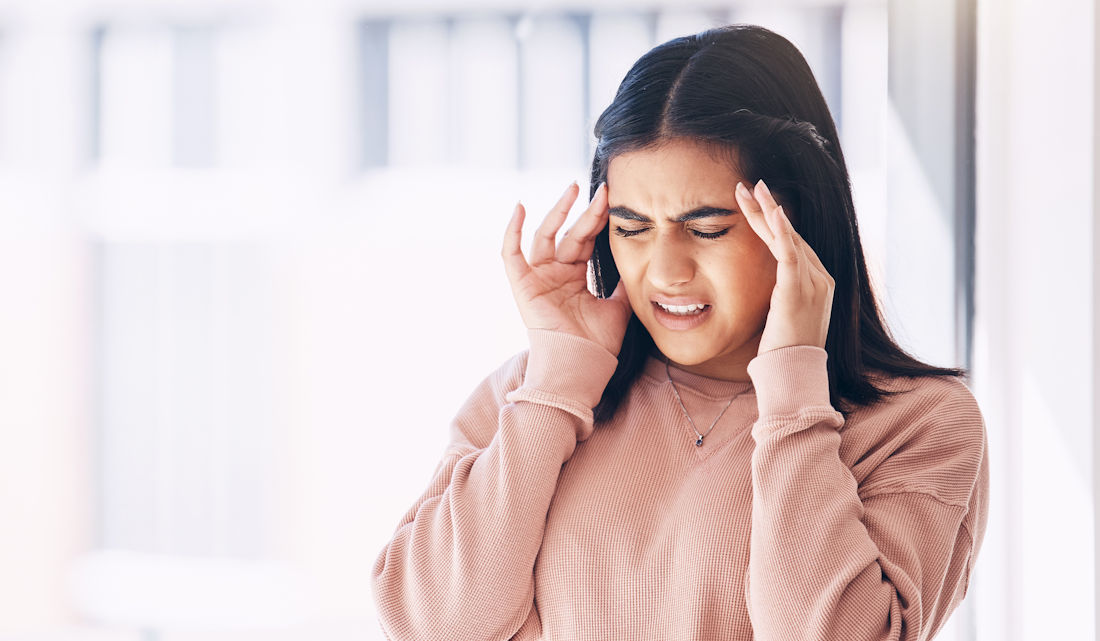
Some of the many causes of light sensitivity include:
- Conjunctivitis. Commonly referred to as “pink eye”, conjunctivitis is a very common eye condition caused by a viral or bacterial infection. Pink eye often affects children or parents of newborns, and is known to cause itchiness, irritation, swelling and light sensitivity.
- Meningitis. Meningitis is a nasty condition that often resembles a severe flu. Caused by inflammation of the protective layers of the brain and spinal cord, meningitis could be life-threatening. Light sensitivity is just one symptom along with a painful headache, fever, nausea and neck pain.
- Allergies. People can develop allergies to all kinds of otherwise harmless substances, such as pet dander, pollen, various foods and latex. During an allergic reaction, blood vessels in the eyes can dilate and cause inflammation, which leads to light sensitivity.
- Astigmatism. Astigmatism is a common refractive error caused by uneven curvature of the cornea. As a result of astigmatism, vision is distorted and can become sensitive to light.
- Corneal issues. The cornea is the clear front section of the eye, which is scattered with nerve endings. When the cornea is scratched, inflamed or damaged in some way, those nerve endings can trigger a certain level of light sensitivity.
- Injuries. Traumatic brain injuries like a concussion can happen while playing sports, getting into a car accident or bad falls. When the brain is injured, the brain may have difficulty processing visual information and bright light, triggering headaches and fatigue.
- Migraines. The majority of those who suffer from painful migraines also experience light sensitivity.
- Medications. Those suffering from anxiety or clinical depression may experience light sensitivity from the drugs they’ve been prescribed. Medications like benzodiazepines and lithium, among others, can contribute to light sensitivity in some individuals.
How to Manage Light Sensitivity

Depending on the severity, light sensitivity can be treated a number of different ways. In the short term, the best way to protect your eyes is by investing in a pair of good UV-blocking sunglasses and wearing them diligently when you go outdoors.
If light sensitivity persists or causes pain, visit your eye doctor for a comprehensive eye exam. Along with an eye exam, your optometrist will analyze your medical history and symptoms, and may even conduct a neurological test to complete a diagnosis.
In the majority of cases, light sensitivity can be improved by treating the underlying condition causing the sensitivity by first treating the underlying issue that’s resulting in the sensitivity. For some people, prescription eyewear or contact lenses will be enough to treat their symptoms. Others may require medication, and In some cases, surgical treatment may be recommended depending on the underlying condition.
Frequently Asked Questions About Light Sensitivity
-
Sudden light sensitivity can be caused by migraines, eye infections, allergies, corneal injuries, medication side effects, or neurological conditions. If symptoms persist or worsen, schedule an eye examination.
-
Yes. Conditions such as dry eye disease, corneal abrasions, conjunctivitis, uveitis, and certain refractive errors can all contribute to light sensitivity.
-
People with lighter-coloured eyes may experience increased sensitivity to bright light because they have less pigment in the iris to help filter incoming light.
-
You should book an eye exam if light sensitivity is persistent, painful, worsening, or accompanied by blurred vision, headaches, redness, or other vision changes.
-
Yes. High-quality sunglasses that provide 100% UVA and UVB protection can help reduce discomfort and protect your eyes from excessive sunlight exposure.
Book an Eye Exam in Victoria
If you’re experiencing undiagnosed light sensitivity that’s affecting your daily life or causing pain, book an appointment today at Inner Harbour Optometry. We’ve got two locations in downtown Victoria, plus you can book online.