
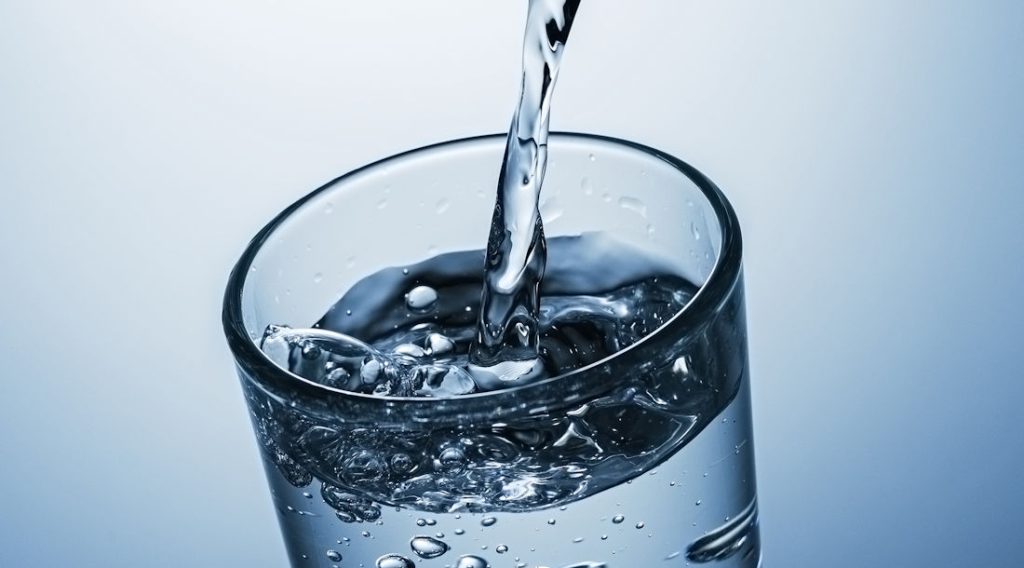
We all know drinking enough water is important for overall health, but many people don’t realize how closely hydration is connected to eye health. Proper hydration helps your eyes stay lubricated, comfortable, and functioning properly throughout the day.
When your body becomes dehydrated, your eyes can feel the effects quickly. Dryness, irritation, blurry vision, and eye strain are all common symptoms that may worsen when you are not drinking enough water.
In this blog, we’ll explore how hydration supports healthy eyes, how dehydration can affect vision and comfort, and simple ways to maintain healthy hydration habits every day.
How Proper Hydration Support Eye Health
Like the rest of our body, our eyes need water. Here are some of the ways proper hydration helps our eyes day-to-day:
Hydration and Dry Eye Relief
The Canadian Association of Optometrists recommends we all maintain proper hydration in order to keep our eyes moisturized and to avoid dry eye symptoms. While water intake likely won’t cure Dry Eye Disease, it can certainly help if you suffer with dry eyes on a daily basis.
First and foremost, proper hydration supports our body’s ability to produce tears. These tears are essential for lubricating our eyes, and drinking water enables the tear glands to produce a sufficient volume of lubrication. Hydration also helps balance the saltiness of our tears, to avoid that burning sensation you might feel.
If dry eye symptoms persist, it might be time to visit a dry eye clinic for specialized treatments.

How Tears Help Flush Irritants from the Eyes
Hydration plays another key role when it comes to flushing toxins. Our eyes absorb a surprising amount of dust, debris and other airborne toxins as we go about our days. Our eyes also collect metabolic waste from tissues, which need to be flushed away.
Our eyes’ ability to flush these toxins comes back to tear production again. With proper hydration and availability of tears, our eyes can flush everything away to reduce any burning sensations or that “gritty” feeling you might be experiencing.
Hydration and Healthy Eye Pressure
Eye pressure, also known as intraocular pressure (IOP), is what maintains the structural shape of our eyes while enabling normal function. If our IOP drops below or exceeds a normal level, our optic nerve is left vulnerable and could be damaged, potentially resulting in glaucoma or vision loss.
Drinking enough water helps our body maintain that IOP. Water balances the fluids of the aqueous humor, while also regulating normal blood circulation. The best way to protect your eye pressure is to sip water throughout the day – drinking large volumes at once is not ideal, and you may notice increased pressure if you do so.
Can Hydration Help Reduce Eye Strain?
Eye strain is a very common condition that tends to come and go, characterized by a number of symptoms, including itchy eyes, burning sensations or “gritty” feelings. For those of us that rely on computer use for work, eye strain is more common. You might also experience this eye strain when focusing on one thing for a long time, like reading, driving or sewing/crocheting.
Hydration can be a noticeable difference if you’re used to feeling eye strain. If you aren’t used to drinking enough water, doing so will likely produce a noticeable difference in your symptoms. Sufficient water intake will empower your tear ducts, wash away toxins, and provide comfort to your eyes suffering from fatigue, strain and general discomfort.
Learn more about digital eye strain tips and techniques.
Signs Your Eyes May Be Dehydrated
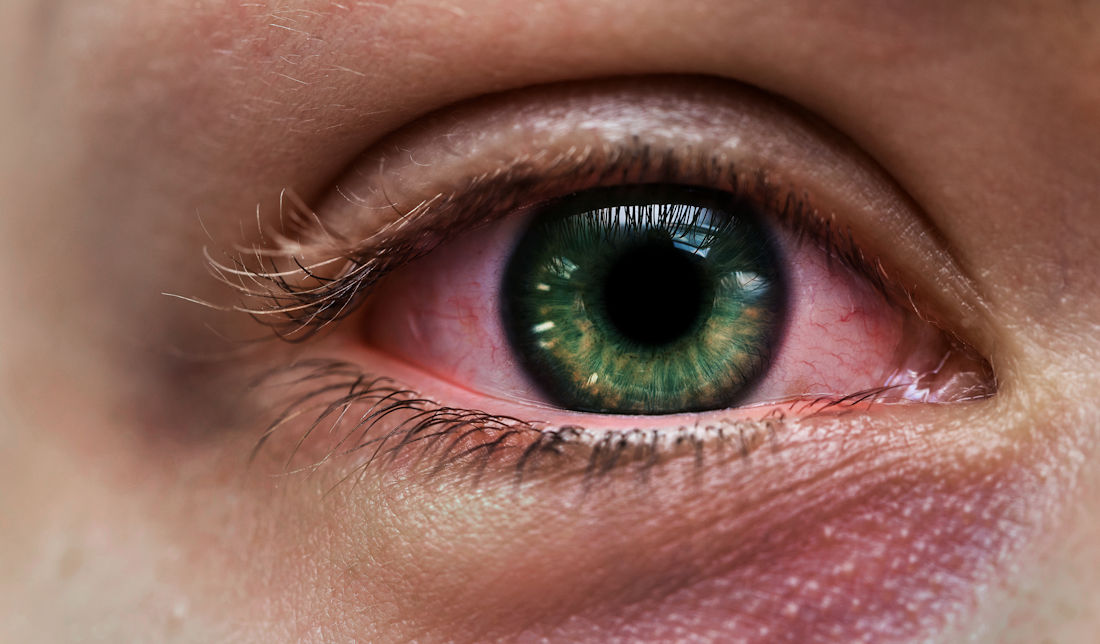
Not sure if you’re getting enough water or not? Here are a few signs of dehydration related to your eyes to watch for:
- “Gritty” sensation that feels like sand
- Mucus buildup around eyes
- Light sensitivity
- Excessive watering of the eyes
- Blurred vision
- Dryness
- Irritation or itchiness
- Bloodshot or redness
- Sunken or hollow appearance
How Much Water Should You Drink for Healthy Eyes?

How much water we should drink is widely debated. And everyone has an opinion. While we all agree that we need to drink a sufficient amount of water, it’s hard to agree on an amount.
With any recommendation you see on this topic, it’s important to consider that people are different. It makes sense that larger people will require more water, as will people that exert themselves more or live in a hotter climate.
The Canadian Optometry Association does not provide a precise recommendation for water intake, only that we should maintain “proper hydration”. The BC Government cites the common recommendation of 6-8 cups of water. The Mayo Clinic refers to studies that suggest 11.5-15.5 cups, which is echoed by Harvard Health, with the lower range for women and the upper for men.
The recommendations for water intake will vary, depending on where you look. A good practice is to forget about the number, and instead focus on drinking water throughout the day. Invest in a big, metal water bottle, and keep it with you throughout the day. Just having water available at your side will probably improve your chances of remaining hydrated.
Frequently Asked Questions About Hydration and Eye Health
-
Yes. Dehydration can reduce tear production and contribute to symptoms such as dry eyes, blurry vision, irritation, redness, and eye strain.
-
Proper hydration can help support healthy tear production and improve eye comfort. While drinking water may not cure Dry Eye Disease, it can help reduce dryness and irritation for many people.
-
Common signs include:
- Dryness
- Burning or irritation
- Blurry vision
- Redness
- Light sensitivity
- Excessive tearing
- A gritty sensation
-
It can. When your eyes do not produce enough tears, the tear film becomes unstable, which may temporarily affect visual clarity and contribute to blurry vision.
-
Hydration may help reduce discomfort associated with digital eye strain by supporting tear production and eye lubrication. Taking regular screen breaks and blinking more frequently can also help.
If you’re dealing with eye strain or discomfort, it’s best to see an optometrist before making a self-diagnosis. If you’re in Victoria, book an appointment at Inner Harbour Optometry today.