
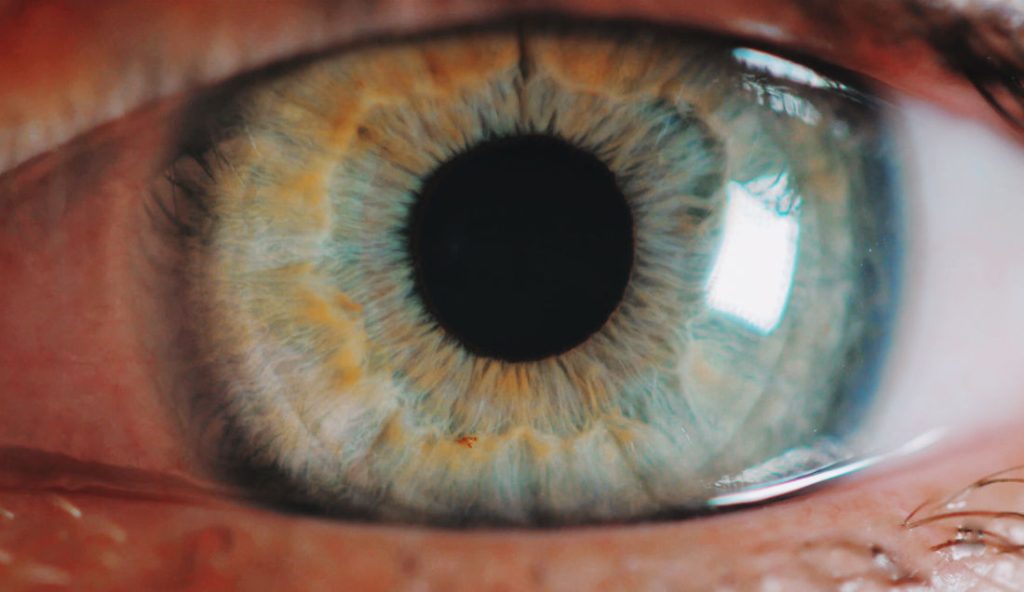
If you’re experiencing symptoms of dry eye syndrome or blepharitis, the meibomian glands are the likely source of the issue. Located along the edge of our eyelids, these glands play a vital role in overall eye health.
This article outlines the key functions of your meibomian glands and explains the most common condition that arises when they stop working properly.
What are Meibomian Glands?
Meibomian glands are a vital but often overlooked part of your eye’s anatomy. Found right behind the eyelashes on the edge of our eyelids, there are roughly 40-50 meibomian glands on the upper lid plus another 20-30 on the lower lid.
Despite their size, they perform several critical functions:
The Roles of Meibomian Glands

The primary role of the meibomian glands is to secrete a mixture of lipids onto the surface of the eye, known as meibum—a crucial oily component of your tear film. Constantly producing a blend of oils and waxes, they release meibum across the eye’s surface each time you blink. Then when we blink, we force the meibomian glands to exude meibum over the ocular surface.
This mixture of fat and oil is vital for our eyes. Primarily, the meibum is what keeps our eyes well lubricated throughout the day. It locks in the moisture to prevent our tears from drying out, while keeping the lubrication flowing when we blink.
It also stabilizes your tear film so it doesn’t evaporate too quickly during daily activities.
The glands play a key role when we sleep as well. When we close our eyes at night, the meibomian glands create an airtight seal that protects the surface of the eye while creating a protective barrier against dust and debris while you sleep.
Meibomian Gland Dysfunction
When the meibomian glands fail we end up with meibomian gland dysfunction, or MGD, a very common condition that results in dry eye syndrome, itchiness, redness and a gritty sensation in the eyes.
MGD affects millions of Canadians. In fact, it’s estimated to impact about 25% of adults overall, rising significantly in older populations.
MGD occurs when the meibomian glands fail to produce the right amount or quality of oily secretions. Some people are born with MGD, which is what’s known as congenital, but most cases are acquired as we age.
The dysfunction occurs for several reasons. In some cases, gland ducts become blocked while oil builds up inside—a condition called obstructive MGD. Left untreated, these glands can become inflamed, enlarged, atrophied, or stop producing oil altogether.
Obstruction and blockage is one of the main culprits of MGD, but the quality of secretions will have an impact too. Certain medications that decrease androgen levels have been known to impact the quality of tear production, including glaucoma treatments, retinoids and estrogen.
MGD Complications
The reason MGD can be risky is the complications it often leads to. Dry eye syndrome is the most common, which causes a burning feeling that makes it very difficult to go about normal life and work on a computer.
MGD also opens the door for diseases. Blepharitis is a common one, which starts as inflammation of the eyelids and creates symptoms like redness, swelling and severe irritation. If Blepharitis progresses, you may need to visit an optometrist for in-clinical treatments or light energy therapy.
Symptoms to Watch For

If you think you might be suffering from MGD, here are some symptoms to watch for:
- Swollen lids
- Blurred vision
- Burning sensation
- Redness
- Excessively watery eyes
- Feeling like something is stuck in your eye
- Sticky substance left on lids
Since many eye conditions share overlapping symptoms, it’s important not to self-diagnose. If you notice any persistent changes, schedule an exam with your optometrist as soon as possible.
MGD Risk Factors
The health of your eyelids can have a big impact on various conditions including MGD. Dermatitis, bacterial infections and physical obstructions (like contacts) can disrupt gland function and compromise your tear film.
Other factors can increase the chances of MGD as well. Additional risk factors include heightened susceptibility to allergies, hormonal imbalances that lower androgen levels, and prolonged screen time (which reduces blink rate). Then there are immune system issues like lupus, psoriasis and rosacea that can increase the chances of MGD.
But the number one risk factor for MGD is simply growing older. While you can’t always prevent gland aging, regular eye doctor appointments and diligent at-home maintenance are your best defenses.
Getting Tested for MGD
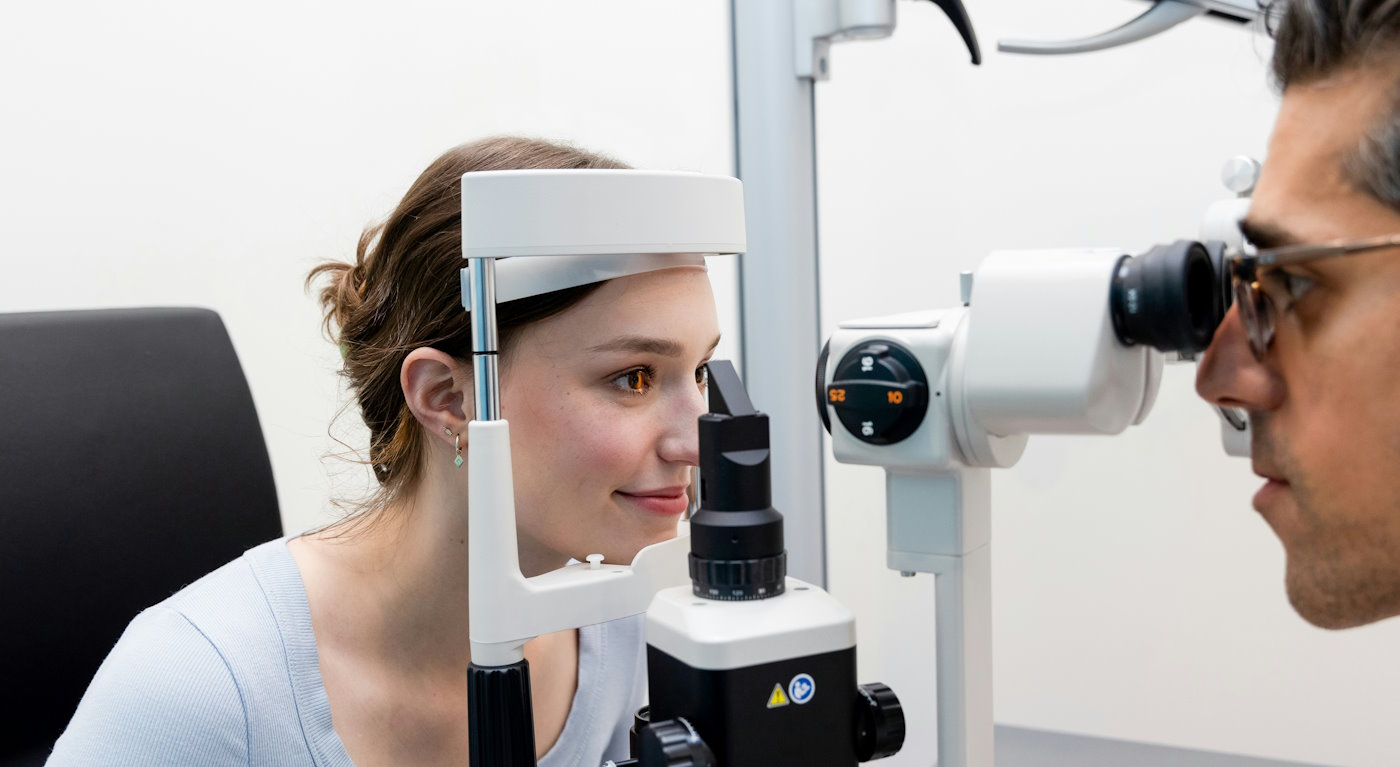
Your optometrist can spot and diagnose MGD with a standard eye exam. They’ll look closely at the inside of the eyelids to determine the overall health, plus further tear film tests and sampling can be done to study the oily meibum.
>Lumecca IPL is a non-invasive treatment option that is effective at targeting both dry eye syndrome and meibomian gland dysfunction. Learn more about the benefits of Lumecca IPL treatment.
Frequently Asked Questions About Meibomian Gland Disfunction
-
MGD occurs when the tiny glands along your eyelids become blocked or stop producing enough oil. Without this essential tear film component, tears evaporate too quickly, leading to dry eye syndrome, redness, and a gritty sensation in the eyes.
-
While MGD often progresses with age, it is highly manageable. At Inner Harbour Optometry, we offer targeted in-clinic therapies, including warm compresses, meibomian gland expression, and light-based treatments, to restore function and relieve symptoms long-term.
-
MGD is typically diagnosed during a standard comprehensive eye exam. Your optometrist will inspect your eyelid margins, evaluate tear film quality, and may analyze meibomian secretions to determine the stage and type of dysfunction.
-
Daily warm compresses (10 minutes), gentle eyelid massage, taking blink breaks during screen time, and staying hydrated can significantly improve gland function. If symptoms persist beyond a few days, book an exam before chronic dry eye sets in.
Schedule a comprehensive eye exam at Inner Harbour Optometry today. You can book online, or visit our two convenient downtown Victoria locations.