
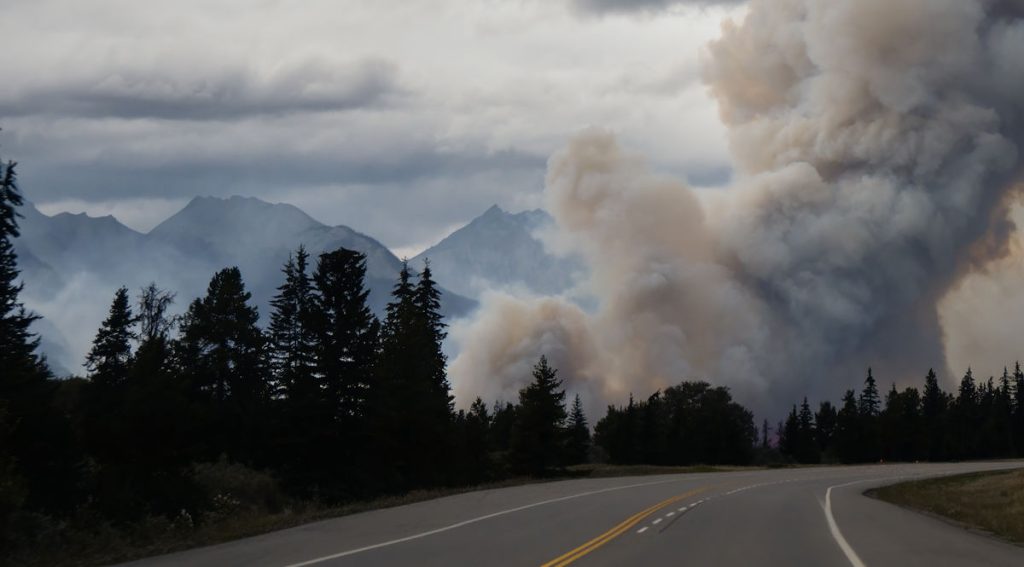
It’s wildfire season once again here in BC and across much of the Pacific Northwest. As fires rage throughout the province, smoke can travel hundreds of kilometres depending on wind patterns. In BC, it’s common for wildfire haze to blanket our skies during these months, but what does that mean for your vision?
While smoke from any source is toxic, wildfire smoke contains a highly complex mix of burning vegetation, plastics, and structural materials. This post highlights the specific dangers airborne particulates pose to eye health and outlines how to protect your sight when smoky conditions roll in.
The Hidden Dangers of Wildfire Smoke
Wildfire smoke composition depends heavily on what is burning, terrain topography, and weather conditions. Generally speaking, it’s a combination of water vapour, gases, and microscopic particles that remain suspended in the air long after the flames have passed.
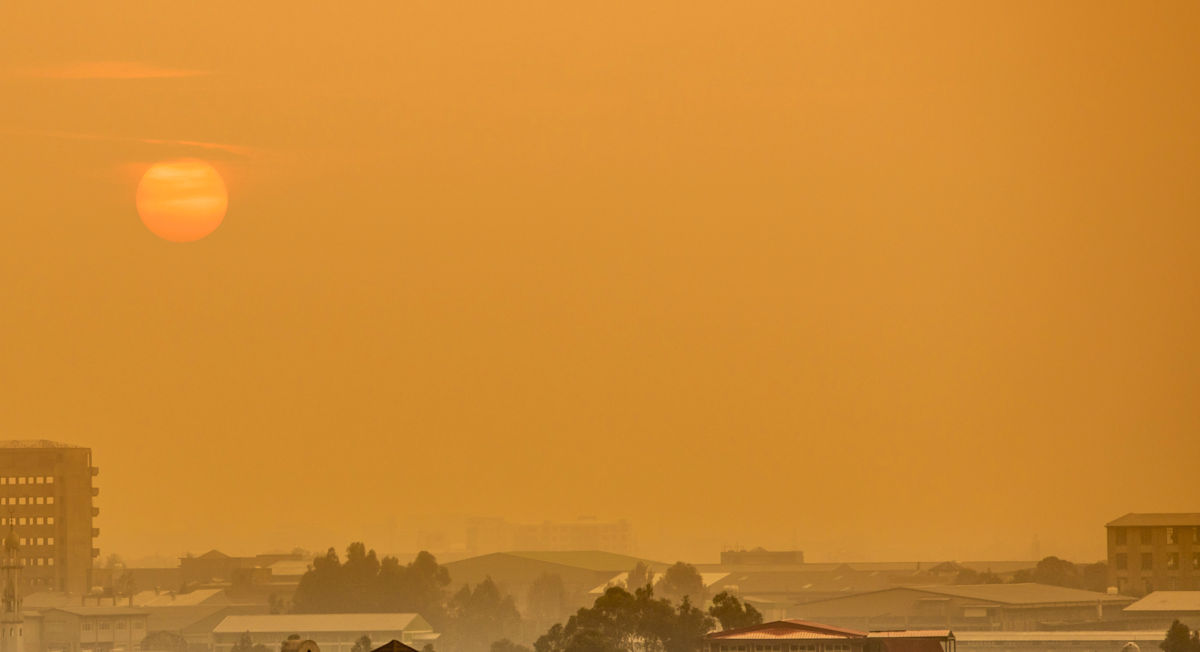
When forests, homes, or vehicles burn, they release a wide range of chemicals. Charcoal dust, mold spores, heavy metals, and carbon monoxide are just some of the microscopic particles and airborne irritants present in wildfire smoke. In recent decades, the frequency, size and duration of wildfires across North America have surged significantly. Beyond the environmental devastation, this smoke poses serious health risks linked to life-threatening respiratory and cardiovascular stress.
Higher Risk Groups
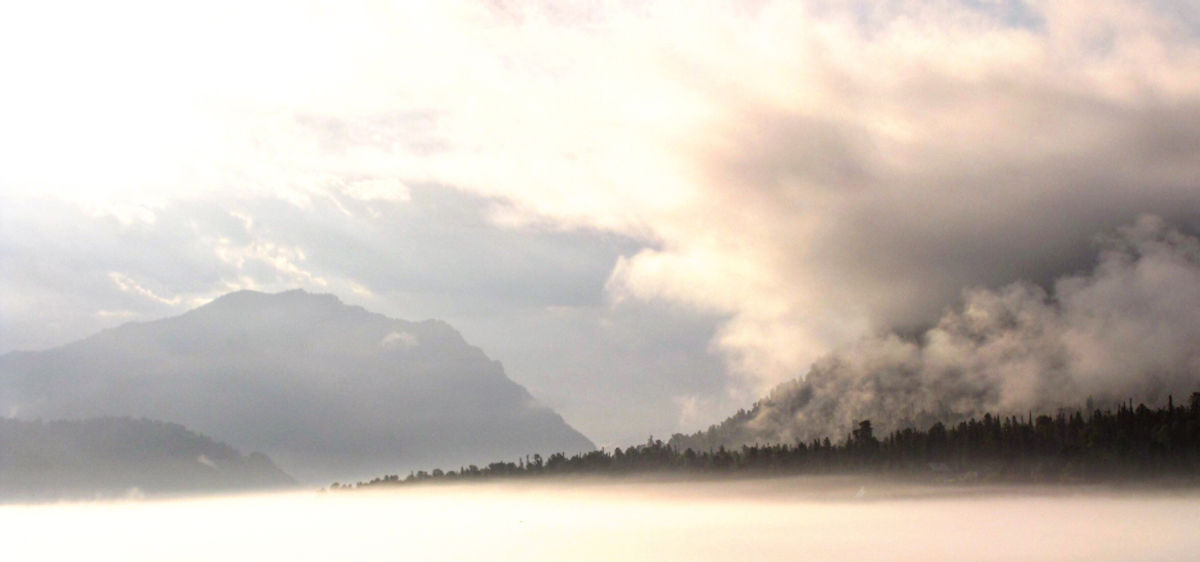
The smoke may be originating hundreds of kilometres away, but the air quality degradation is still highly potent even when it’s invisible. While proximity increases risk, airborne particulate matter doesn’t need to be visible to affect your eye health.
People with preexisting heart or lung conditions are at greater risk due to smoke’s harsh effects on the respiratory and cardiovascular systems.
Age also plays a role in susceptibility. Children are often outdoors more frequently and engage in more physical activity, which increases their breathing rate and total air intake. This is particularly concerning because their lungs and immune systems are still developing. Seniors are also at elevated risk due to naturally weakened respiratory or cardiovascular defenses. Emerging evidence suggests pregnant women and unborn children may also face higher exposure risks.
How Wildfire Smoke Hurts Our Eyes & Vision
But what about your eyes? Is it safe to walk around for extended periods when a thick smoky haze blankets the community?
The chemical composition of wildfire smoke can wreak havoc on our tear film. Tears are vital for lubricating the eye and shielding against foreign elements like dirt, dust, and pollen. A healthy tear film relies on a delicate balance of water, oil, mucus, and proteins. Wildfire smoke is notorious for disrupting this balance, leading to rapid evaporation and irritation.
Additionally, the surface of our eyes has one of the highest concentration of nerve endings in the human body. This makes them exceptionally sensitive to chemical irritants, opening the door to immediate stinging or burning sensations.
Symptoms to Watch For
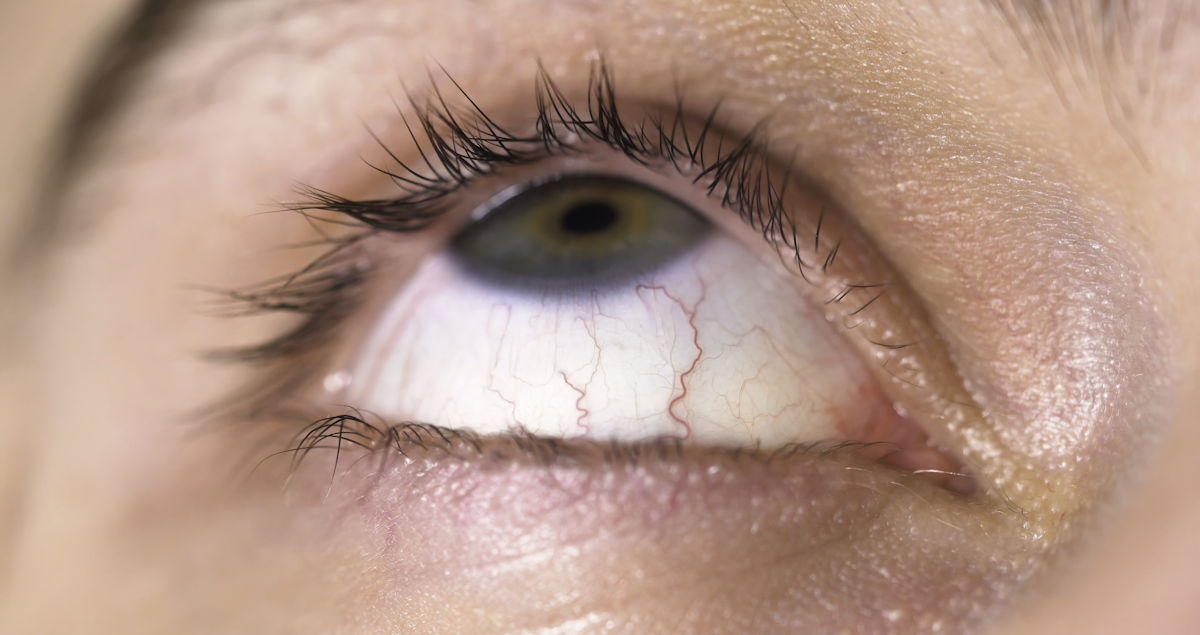
Wildfire smoke affects everyone differently, and individual allergies may also amplify symptoms. Here are common signs of smoke-induced eye irritation to watch for:
- Persistent burning or stinging sensation
- Redness or bloodshot appearance
- Excessive watering of the eyes
- Gritty feeling, as if sand is in your eye
- Itchiness and swelling of eye lids
- Temporary blurred vision
Protecting Your Eyes From Smoke
If you live near active fires or a smoke blanket rolls into your neighbourhood, take these steps to safeguard your eyes:
- Stay Indoors: The most effective defence is limiting exposure. This is especially crucial for higher-risk groups. Close all windows and run air conditioning on recirculate mode. Ensure your HVAC filter is upgraded regularly. Portable HEPA air purifiers can significantly improve indoor air quality.
- Use the Right Eyewear: If you must spend time outdoors, wraparound sunglasses or sealed goggles provide a physical barrier against airborne particulates. Tinted lenses also help reduce light sensitivity caused by inflammation.
- Flush & Lubricate: Preservative-free artificial tears are an excellent defence when going out in smoky conditions. Use them throughout the day to wash away irritants and restore moisture. Storing drops in the refrigerator provides extra soothing relief for inflamed eyes.
- Don’t Rub Your Eyes: Exposed to smoke, your natural instinct may be to rub or scratch your eyes. Avoid this entirely, as rubbing can grind particles into the cornea. Instead, apply a cold, damp washcloth over closed eyelids to reduce swelling and calm itching.

Frequently Asked Questions About Wildfire Smoke and your Eyes
-
In most cases, smoke-induced irritation is temporary and resolves once you leave the smoky environment and flush your eyes with artificial tears. However, prolonged exposure to heavy PM2.5 particulate matter can lead to chronic dry eye syndrome or temporary corneal abrasions. If blurriness persists for more than 24 hours after clearing the air, see an optometrist to rule out surface damage.
-
Standard flat-lens sunglasses leave gaps around your eyes where wind and airborne dust can enter. For wildfire conditions, we recommend wraparound sunglasses or sealed safety goggles with tight-fitting frames. These create a physical barrier that significantly reduces direct contact between particulate matter and your tear film.
-
It is generally not recommended. Soft contact lenses can act like a sponge, trapping toxic chemicals and fine particles against the surface of your eye for extended periods, which increases the risk of infection or severe dryness. Switch to glasses when air quality indexes (AQI) reach moderate or higher levels, and keep spare eyeglasses on hand during fire season.
Your Optometrist Can Help
If the irritation from wildfire smoke persists after you have left smoky areas, it’s time to visit your eye care professional. This is especially important if pain continues or blurred vision doesn’t clear up.
At Inner Harbour Optometry, our team will perform a comprehensive eye exam to diagnose the extent of surface damage, check for corneal abrasions, and recommend treatments. Book an appointment with your local optometrist today before smoke season affects your vision health.