
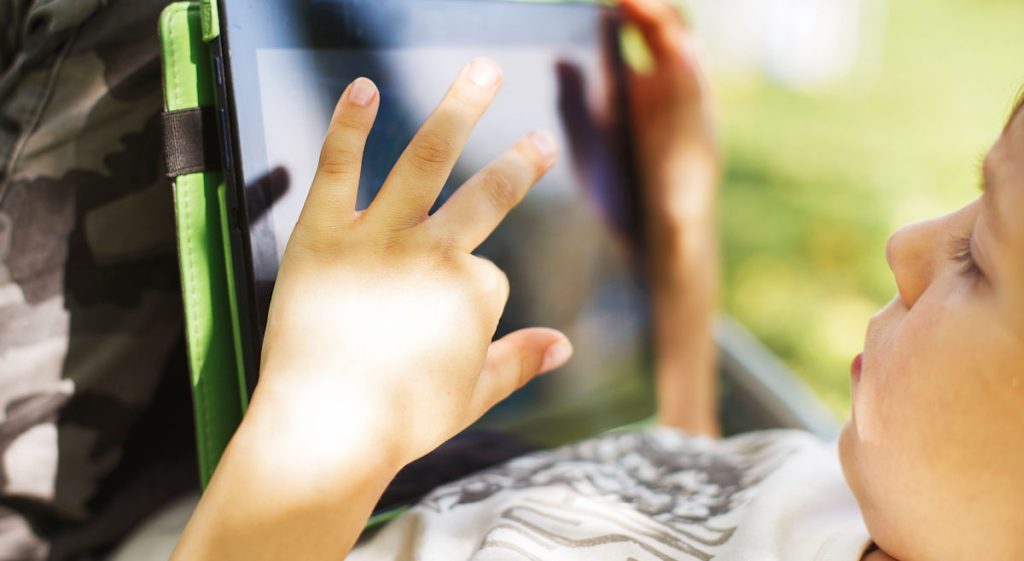
At this point in 2026, it is no longer a debate that excessive screen time takes a toll on our well-being. Many young parents grew up with screens during their school years, and we have all witnessed just how pervasive digital devices have become in modern society.
An argument against too much screen time can be made from many angles: its impact on attention spans, mood, sleep quality, and physical health. But what about our eyes? What is the long-term effect on our children’s vision?
This article outlines how excessive screen exposure affects the eye health of kids everywhere—and what exactly parents should watch for.
Which Screens are the Most Harmful?
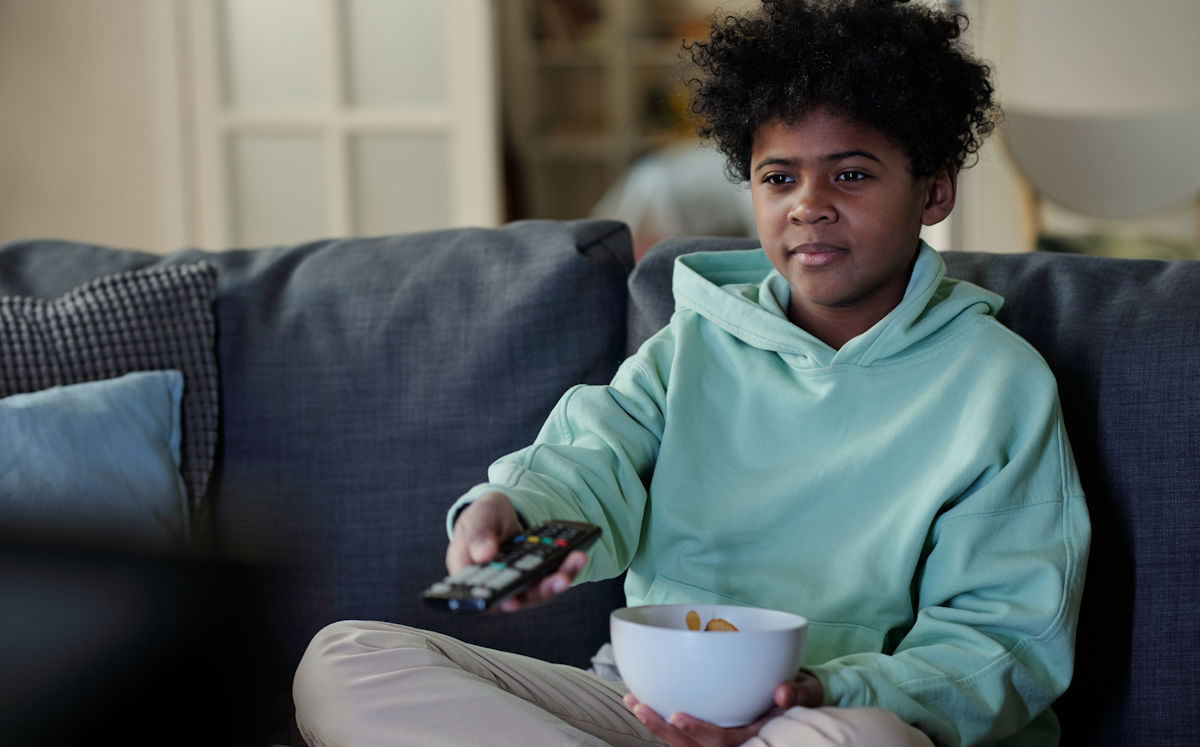
Kids have had access to screens since the late 1950s and early 1960s. In those earlier decades, everyone was obsessed with television, yet children were not suffering from eye conditions at the rates we see today.
Today, the TV is just one piece of the puzzle. Kids now have constant access to smartphones, tablets, computers, portable gaming consoles, and more.
Generally speaking, larger screens are less harmful than smaller ones because it’s all about proximity. We tend to hold smaller devices much closer to our faces, forcing the eye muscles to work harder. Ultimately, however, it is the sheer duration of time spent staring at a display that impacts eye health. Screens are everywhere, and screen time usage continues to skyrocket.
The Rise of Myopia (Nearsightedness)

One of the most significant consequences of increased near-work among youth is the sharp rise in myopia. In a recent meta-analysis of studies involving hundreds of thousands of participants, researchers discovered that an additional hour of daily screen time was associated with a 21% higher risk of developing myopia.
Myopia (nearsightedness) is a common refractive error where distant objects appear blurry while close-up vision remains clear. It affects people of all ages, but the rapid increase in children is alarming. In Canada, roughly 30% of the population currently has myopia—a number projected to rise to nearly 50% by 2050.
The good news is that myopia can be managed effectively. This condition usually occurs when the eye grows slightly longer from front to back (axial elongation), causing light to focus in front of the retina rather than directly on it.
While myopia itself isn’t something to panic about, it is riskier for kids because they are often slow to speak up about blurry vision. If a child can’t see the whiteboard at school, their learning and development may be impacted. That is why taking your child for annual eye exams is so critical.
Digital Eye Strain (Computer Vision Syndrome)
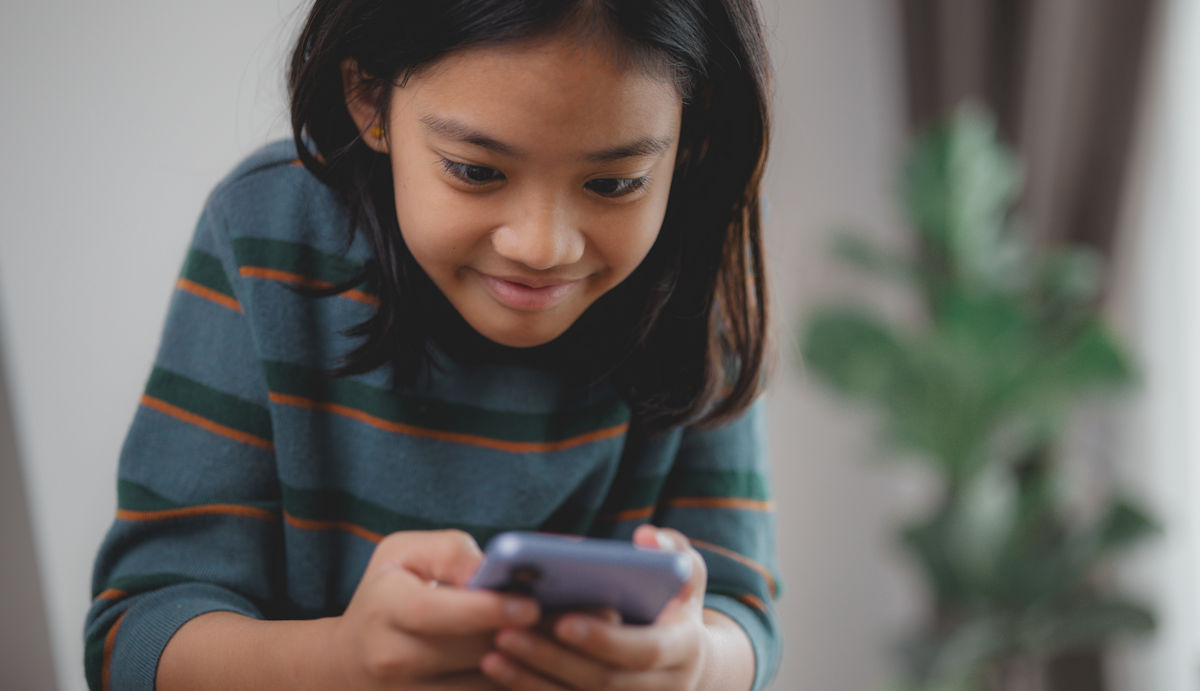
Eye strain is another major issue caused by excessive screen time. While all ages are susceptible—whether working long hours on a computer or scrolling social media—it is the smaller screens, like tablets and smartphones used at close range, that cause the most stress on the visual system. This condition is often referred to as Computer Vision Syndrome (CVS).
Digital eye strain manifests in several ways. If your child complains of physical discomfort around the eyes, blurry vision, headaches, or even neck and shoulder pain, screens could be the culprit.
A comprehensive eye exam with an optometrist can help diagnose Computer Vision Syndrome and lead to a practical management plan for your family.
Itchiness & Irritation
Itchy, dry, or irritated eyes are common symptoms of extended screen time. The reality is that when staring at screens—especially small ones—our blink rate drops significantly (from roughly 15 blinks a minute to fewer than 7). This reduces the eyes’ natural lubrication, leading to dryness and irritation.
Digital eye strain and all of the irritating symptoms that come along with it are no considered dangerous or vision threatening. But at the very least, they’re uncomfortable. If you notice any of these symptoms in your kids, take them to an eye doctor:
- Redness around the eyes
- Dry eyes
- Itchy eyes
- Blurry vision
- Soreness in the eyes
How to Help Kids Build Healthy Screen Habits
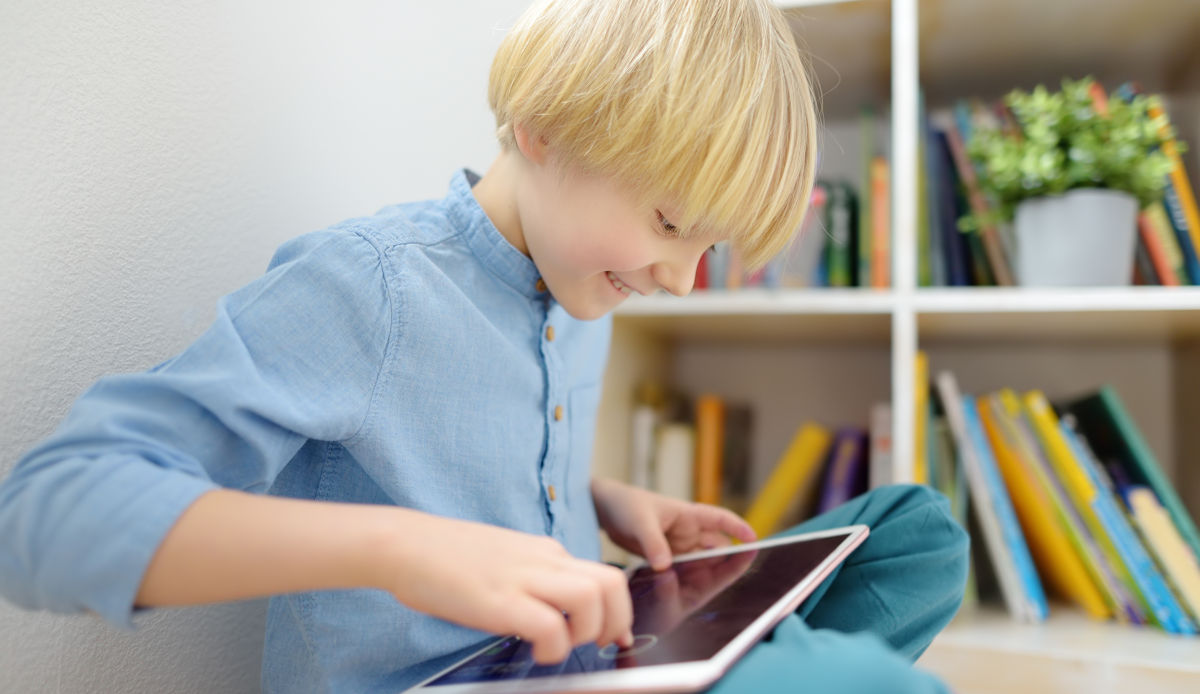
As a society, we are slowly waking up to the reality of our screen-dependent lifestyle. Taking devices away entirely is rarely an option, so here is what you can do instead:
- Limit screen time. BC school districts have begun restricting cellphone use during the 2024/25 school year, but when they are home, the schedule is in your hands. Whenever possible, prioritize extra-curriculars and outdoor play over indoor screen time. Read more: How Much Screen Time Should Kids Have?
- The 20-20-20 rule. Every 20 minutes, break focus to look at something at least 20 feet away for 20 seconds. Alternatively, take a moment to blink slowly 20 times. This gives the focusing muscles a chance to relax.
- Monitor Bedtime. The hour before sleep is critical; exposure to screens during this time can disrupt melatonin production and hurt sleep quality. Ensure screens are out of reach at bedtime.
- Mind the glare. Extremely bright screens are harder on our eyes, especially in dark rooms. Adjust the brightness settings on devices so they match the ambient light of the room.
- Blue light blocking & sleep. While the medical community is still debating the extent of “blue light damage,” we know blue light affects circadian rhythms. Talk to your optometrist about whether blue-light filtering lenses or screen filters might help your child’s sleep patterns and eye comfort.
Frequently Asked Questions About Screentime and Kid’s Eye Health
-
There is no single “magic number” for every child, but optometrists generally recommend that under-2s have zero recreational screen time. For older children and teens, the focus should be on balance rather than just a strict hourly limit.
Experts suggest keeping extra-curricular activities and outdoor play as high priorities. The more time your child spends outdoors in natural light, the better protected their vision is against myopia (nearsightedness). If screen time does exceed an hour or two, encourage breaks every 20 minutes.
-
Screen time doesn’t cause permanent damage to the eye tissue itself, but it can contribute to myopia (nearsightedness), which is a structural change in how the eye grows. When children focus on near objects for too long, especially indoors without enough daylight exposure, the eyeball can stretch and elongate over time.
Once an eye becomes myopic, that refractive error cannot be “cured,” meaning your child will likely need corrective lenses (glasses or contacts) to see clearly as they grow. However, by starting early with the team at Inner Harbour Optometry, we can slow the progression of this condition significantly.
-
Kids often don’t realize their vision is blurry; they just assume everyone sees the world that way. Watch for these behavioral cues:
- Squinting or tilting their head to see a whiteboard or screen more clearly.
- Sitting very close to the TV or holding books/tablets extremely close to their face.
- Frequent eye rubbing, blinking, or complaints of headaches after homework or gaming.
- Loss of concentration during reading, which may actually be a sign they can’t see the words clearly and are struggling to focus.
If you suspect your child is suffering from myopia, digital eye strain, or other symptoms related to screen use, schedule a comprehensive exam with us at Inner Harbour Optometry.
Early detection is crucial in children, as their eyes are still developing. Visit our clinic in downtown Victoria or book an appointment online today to secure your child’s long-term vision health.
Visit us downtown Victoria or book an appointment online.