
Peripheral vision loss affects roughly 5% of Canadians in their lifetime. It isn’t directly life-threatening or painful, but losing peripheral vision can have a significant impact on how you see the world day-to-day and live your life.
In this article, we’re exploring why we lose peripheral vision, the associated risks, treatment options, and more.
What is Peripheral Vision
“Tunnel vision” is a term frequently used to describe the loss of peripheral vision. The name makes sense when comparing someone with full peripheral vision to someone who has lost it — their field of vision becomes tunnel-shaped.
While our central vision allows us to see what’s directly in front of us and perform everyday tasks like cooking, reading and watching TV, peripheral vision describes what we can see far off to the side, above and below our point of focus.
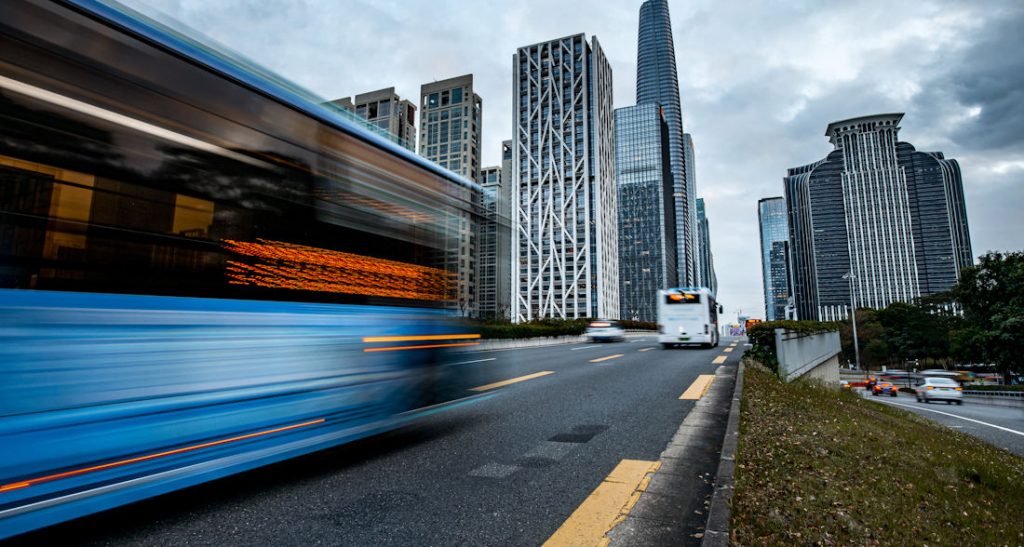
Peripheral vision is what allows us to notice a bus whizzing by from the left, the curb appear at our feet, or a bird swoop overhead — without having to direct our central vision towards these objects.
Common Causes of Peripheral Vision Loss
We can lose peripheral vision for a number of reasons. In some cases, it may be temporary; in more serious cases, the changes may be permanent.
The leading cause of peripheral vision loss is glaucoma, which occurs when fluid buildup increases pressure inside the eye, damaging the optic nerve. Over time, glaucoma can worsen — and so can the resulting vision loss.
- Retinitis Pigmentosa (RP) – An inherited disorder that targets light-sensing layers of the retina, causing vision to break down slowly. Because RP is genetic, many people begin noticing symptoms earlier in life, though progression typically continues into adulthood.
- Diabetic retinopathy – Diabetic retinopathy is a risk for anyone with diabetes and can threaten your vision. The blood vessels become weak and leak, which can affect vision at any point — including the edges of your visual field.
- Retinal detachment – A retinal detachment is a serious eye emergency that occurs when the retina pulls off the back of the eye. In this case, you could notice heavy shadows, flashes of light, floaters and loss of peripheral vision.
Along with eye conditions, there are also injuries and diseases involving the brain, blood vessels and nerves that can threaten our peripheral vision as well:

- Concussions – When your brain is concussed, the trauma can cause impairment throughout the entirety of your visual system. While most concussion victims don’t actually lose sight in their periphery, it’s the brain that fails to process movement in the peripheral field.
- Strokes – When we have a stroke, certain neural pathways become injured. The brain may lose the ability to process signals from the visual field, depending on which hemisphere or lobe of the brain is affected.
- Migraines – Temporary peripheral vision loss is frequently experienced among those who suffer from migraines. When a migraine occurs, the visual cortex is hit with a wave of electrical energy, causing all kinds of visual episodes. In most cases, peripheral vision should return within an hour.
- Low blood pressure – Also known as “hypotension,” low blood pressure means the optic nerve isn’t getting enough oxygen from the blood. The tissue surrounding the optic nerve can become damaged in this case, leThe carotid artery is a direct supplier of blood to the eyes. When you have carotid artery disease, both the retina and the optic nerve won’t be getting enough oxygen to function properly. and the optic nerve won’t be getting enough oxygen to function properly.
The Risks of Poor Peripheral Vision
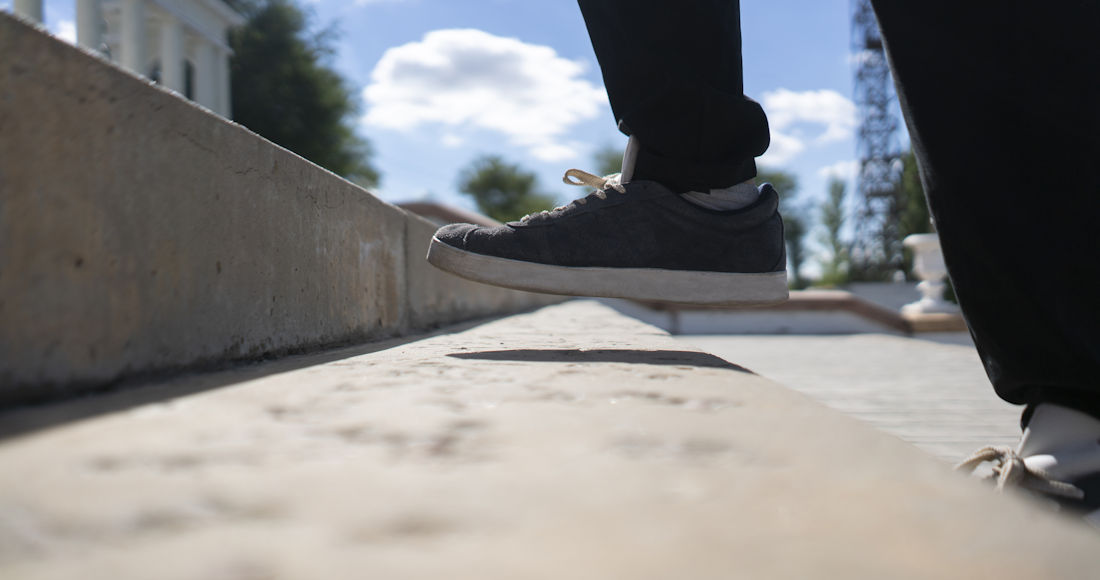
Losing any kind of vision can be scary. But losing peripheral vision can be especially dangerous if you lose the ability to notice what’s happening outside of your focus. Safety becomes an immediate concern.
Driving is one of those everyday tasks that requires intact peripheral vision. While our eyes focus on what’s in front of us, our peripheral vision catches what’s happening off to the side or behind us in the mirrors. Buses, bikes, animals and other cars coming out of nowhere are hard to notice without the ability to see from your periphery.
General mobility on foot becomes a challenge as well. Crossing the street, shopping for groceries — even navigating around the homes we know better than anyone can be made difficult without strong peripheral vision.
Besides the risk of tripping, falling and collision, a lack of peripheral vision can have a social impact as well. Public spaces and social gatherings can become unnerving to navigate. As a result, it’s hard to be confident in these social settings and can drive people into isolation.
Treating Loss of Peripheral Vision
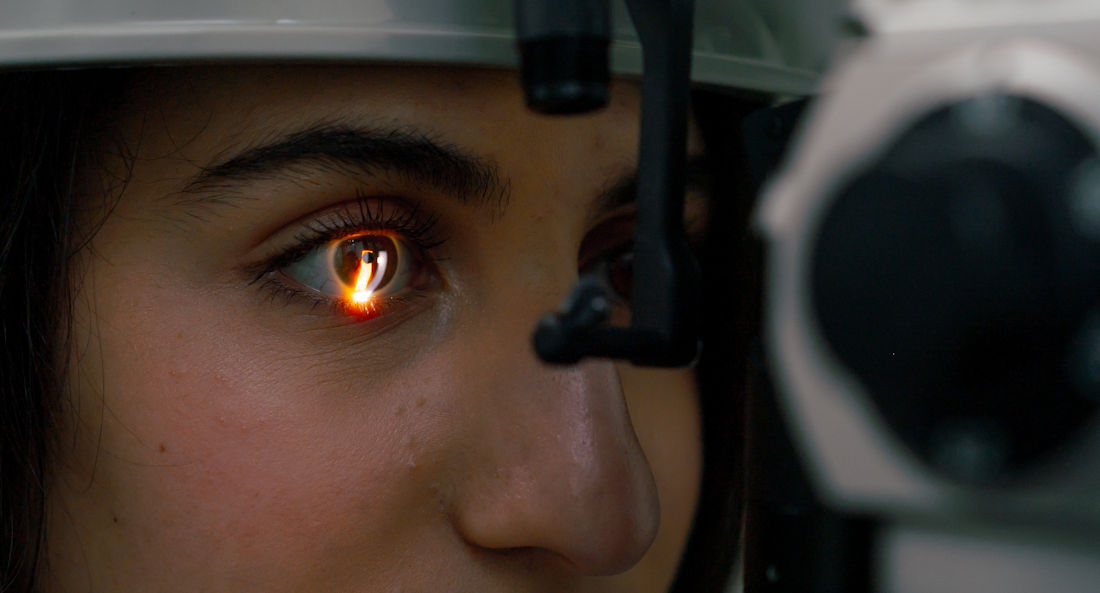
If you notice changes on the edges of your vision, the best place to start is with your optometrist. Coming in for your regular eye exam gives your optometrist the best chance to catch peripheral vision loss before it becomes irreversible.
Treating peripheral vision loss depends on the underlying issue. In some cases, peripheral vision loss cannot be reversed, but there are management strategies that can help many people maintain their quality of life.
For example, prism lenses can sometimes be added to your prescription eyewear to help manage how you see your surroundings. Book an appointment for an eye exam with your optometrist today to check up on your vision and discuss your options.
Inner Harbour Optometry operates two offices in downtown Victoria. Visit us at 1701 Douglas St (#3) or 1411 Cook St (#107), or book an appointment online with just a couple of clicks.