
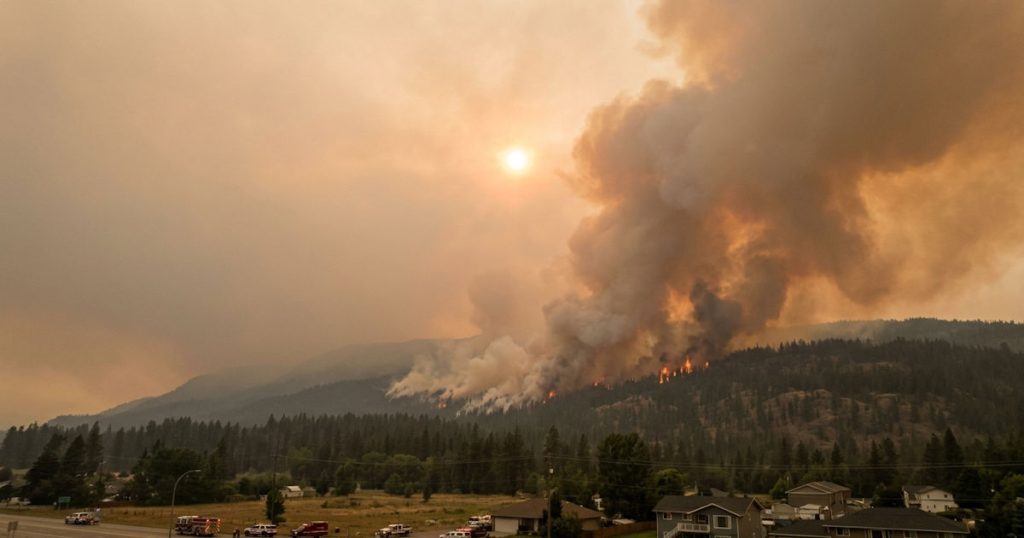
We recently published Part 1 in this series blog series about how wildfire smoke hurts our eyes and vision. This article digs deeper, looking at the science behind wildfire smoke and where exactly the danger lies.
—
Air quality has become a growing annual concern here in BC given the consistent threat of wildfire season. As fires rage during the summer, winds can carry wildfire smoke hundreds of kilometres in any direction, creating a smoky haze over communities throughout the Pacific Northwest.
Respiratory complications are often the first health risk that comes to mind when air quality is poor. But did you know air quality can have a significant impact on our eye health? This article explains how.
What Makes Wildfire Smoke Harmful to Eyes?
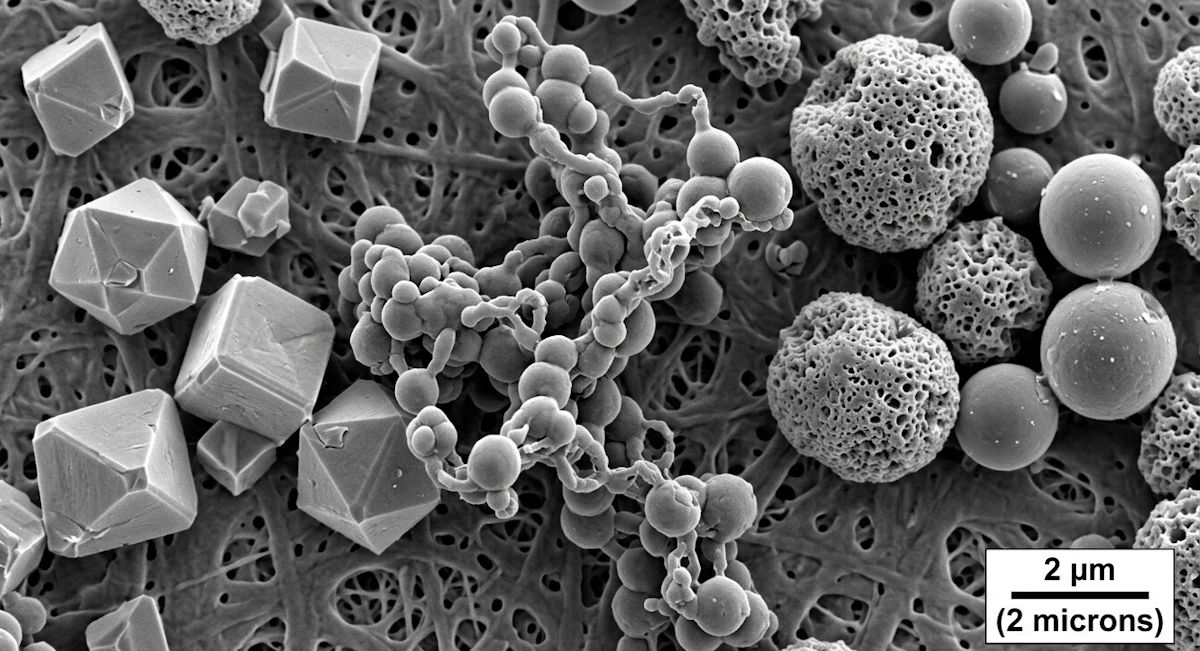
Wildfire smoke is dangerous because of what’s called particulate matter (PM). When a fire burns, all kinds of heavy metals, polycyclic aromatic hydrocarbons, sulfates, nitrates, and black carbon are released into the air. When the wind blows, these components are distributed throughout the air we breathe.
The 2023 Canadian wildfires were a notable example, spreading dangerous air quality levels to the northeastern United States and even as far as Australia.
The amount of particulate matter in the air is measured in micrometers. For example, PM2.5 refers to particles that are at most 2.5 micrometers in size — about a fraction of the width of a single human hair. Actual levels during wildfire events can far exceed the World Health Organization’s recommended maximum exposure limits for PM2.5 when wildfire smoke fills the air.
It’s hard to defend against particles of this size. Instead, the particles make their way into our lungs, into our bloodstream, and onto our ocular surface.
How Wildfire Smoke Damages Eye Health
Particles from wildfire smoke can become dangerous even before we see or smell wildfire smoke in the air — these fine particles are invisible and odorless. But it’s worth noting that research on the dangers of wildfire smoke to our eyes has been limited, since there are obvious challenges in creating simulated wildfire smoke with toxic compounds and releasing them on real people.
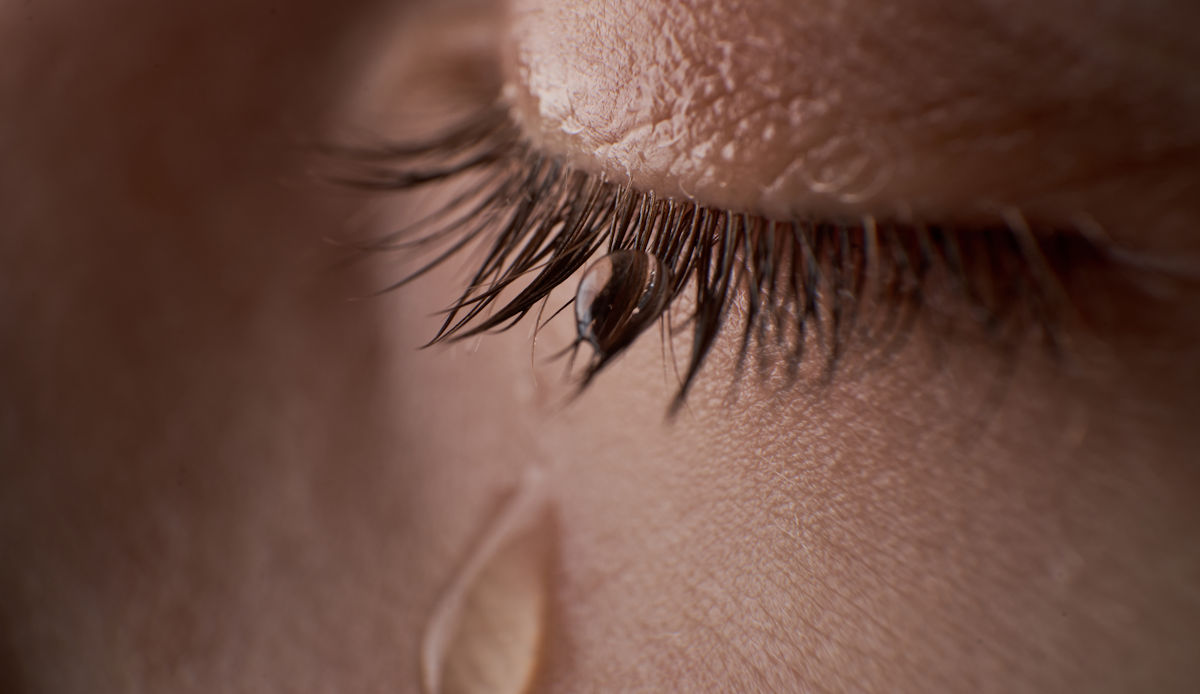
What we do know is that the danger lies in the threat to our eyes’ natural lubrication — our tears. The tears in our eyes are made up of a delicate balance of water, oil, mucus and proteins. That lubrication protects us on a daily basis from dirt, dust and infection. But when particulate matter settles on our eyes, that balance is disrupted.
Along with disrupting the careful balance that supplies lubrication, particulate matter in wildfire smoke can accelerate tear evaporation. When our eyes lack tears, further symptoms are triggered.
Corneal abrasions are a secondary danger of wildfire smoke, which happens when you rub your eyes. The particulate matter on our ocular surface might create an itchy sensation, but when we rub the eye, that matter can scratch the cornea and cause an irritation that’s much more severe.
Symptoms of Wildfire Smoke on Your Eyes
Some of the symptoms you might experience when wildfire smoke is in the air include:
- Burning of the eyes
- Stinging sensations
- Gritty sensations, like something is trapped in the eye
- Excessive watering
- Dry eyes
- Blurry vision, or potentially temporary changes to your vision
Who Is Most at Risk from Wildfire Smoke?
The short answer is that wildfire smoke and particulate matter can affect everyone, regardless of age or health. But there are certain conditions that will trigger worse symptoms and present more danger.
- Contact lens wearers. If you’re used to wearing contacts on a regular basis, wildfire smoke can be particularly problematic. Particulate matter can end up being trapped against your cornea, creating a whole new level of irritation.
- Dry eye syndrome or blepharitis. If you’re already dealing with an existing condition like dry eye syndrome or blepharitis, that disruption to the balance in your tears will only make your symptoms worse and more uncomfortable.
- Children and older adults. Same goes with children and adults over 65+. Children naturally spend more time outdoors exposed to the elements. Older adults are likely already dealing with tage-related changes to tear production, so wildfire smoke is even more threatening.
How to Protect Your Eyes from Wildfire Smoke
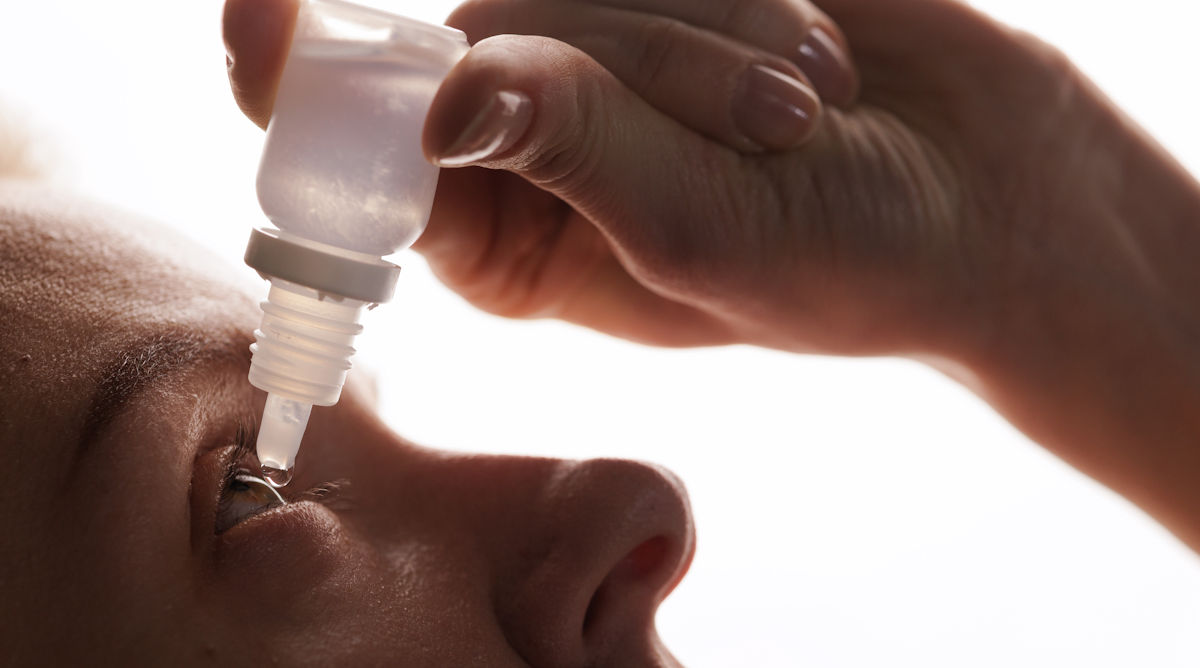
One of the best ways to get immediate relief from symptoms caused by wildfire smoke is using artificial tears. These over-the-counter products can help maintain lubrication and flush out particulate matter. Just be sure to check in with your optometrist for a recommendation on product type and usage.
If you’re a contact lens wearer and need to spend time outdoors when wildfire smoke is a threat, switch to wearing glasses instead if you can. If you’ve got a pair of wraparound glasses or goggles, those are ideal.
If you spend extended time outdoors while wildfire smoke lingers, you’ll feel the uncomfortable effects. When you get home, a cold compress over your eyes can calm the inflammation and burning sensation.
The best course of action is to avoid wildfire smoke as much as possible — regardless of age or condition. Check the air quality levels on your phone or smart wearable to adjust your expectations for the day. When wildfire smoke is in the air, it’s best to stay indoors. But if you do need to be outside, be sure to wear eye protection and refrain from rubbing your eyes.
Frequently Asked Questions About the Science Behind the Dangers of Wildfire Smoke for the Eye Health
-
Wildfire smoke contains fine particulate matter (PM2.5) that can settle on the ocular surface, disrupt your eye’s natural tear balance, accelerate tear evaporation, and increase the risk of irritation, dryness, and corneal abrasions—especially if you rub your eyes.
-
While anyone can experience symptoms, contact lens wearers, people with pre-existing conditions like dry eye syndrome or blepharitis, and vulnerable groups such as children and adults over 65 are particularly susceptible to more severe irritation and discomfort.
-
Stay indoors when possible and check air quality forecasts regularly. If you must go outside, wear wraparound glasses or goggles, switch from contact lenses to eyeglasses, use preservative-free artificial tears for lubrication, and avoid rubbing your eyes. A cold compress can help soothe inflammation once you’re back inside.
Talk to your optometrist if you’re concerned about the health of your eyes — especially when wildfire smoke is in the area. Visit Inner Harbour Optometry in person in downtown Victoria or book an appointment online.